Dry Hair Shampoo
Dry Hair Shampoo
Hair feeling dry and lacklustre? Our expertly picked selection of hydrating shampoos for dry hair will add moisture and love back into your hair. Explore our range of top brands below, including Angel, Redken, Davines, Joico, Kevin Murphy, and many more…
Showing all 115 resultsSorted by popularity
-
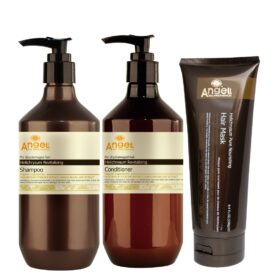
Angel Helichrysum Revitalizing Shampoo 400ml
$41.90 -
Redken All Soft Shampoo 300ml
$41.99 -
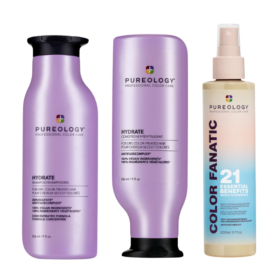
Pureology Hydrate Shampoo 266ml
$66.00 -
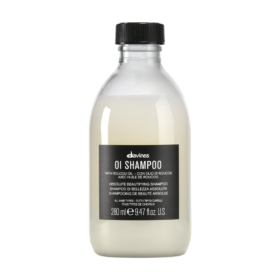
Davines OI Shampoo 280ml
$63.90 -
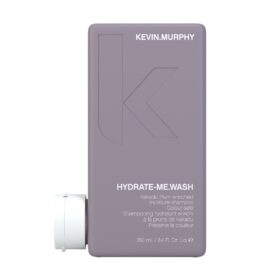
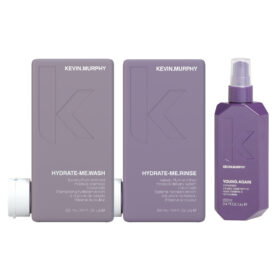
Kevin Murphy Hydrate Me Wash 250ml
$61.00 -
New!
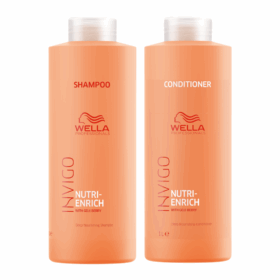
Wella Invigo Nutri-Enrich Duo 1L
Original price was: $99.80.$89.80Current price is: $89.80.Save 10% -
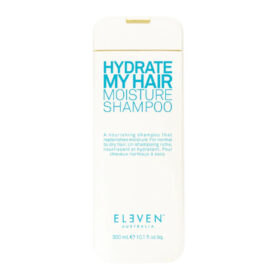
Eleven Hydrate My Hair Moisture Shampoo 300ml
$39.00 -
New!
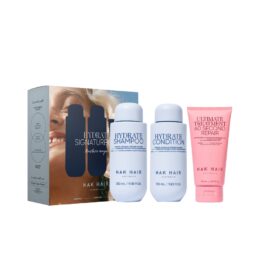
Nak Hydrate Trio
$79.99 -
New!
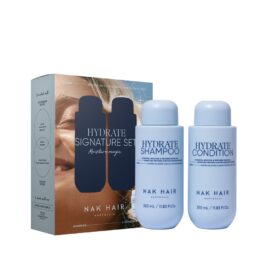
Nak Hydrate Duo
$59.99 -
Wella Invigo Nutri Enrich Shampoo 250ml
$41.00 -
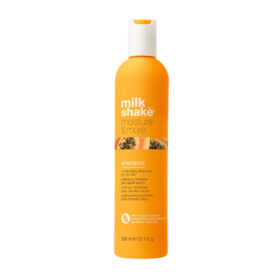
Milk Shake Moisture & More Shampoo 300ml
$39.95 -
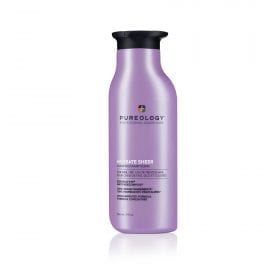
Pureology Hydrate Sheer Shampoo 266ml
$66.00 -
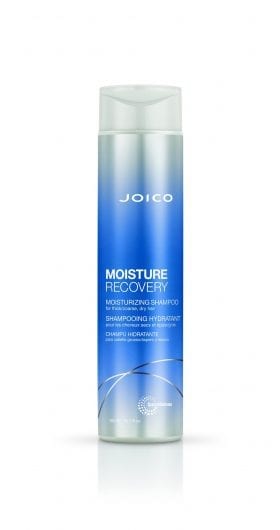
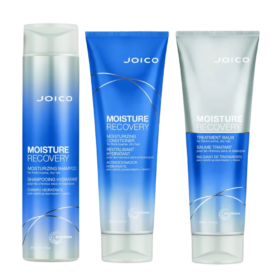
Joico Moisture Recovery Shampoo 300 mL
$34.99 -
De Lorenzo Instant Allevi8 Shampoo 375ml
$29.50 -
Milk Shake Integrity Nourishing Shampoo 300ml
$39.95 -
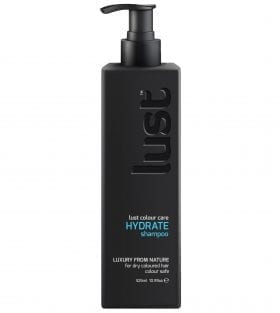
Lust Hydrate Shampoo 325ml
$36.00 -
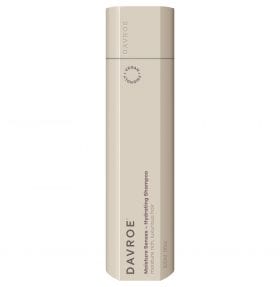
Davroe Moisture Hydrating Shampoo 325ml
$43.95 -
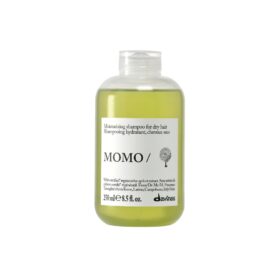
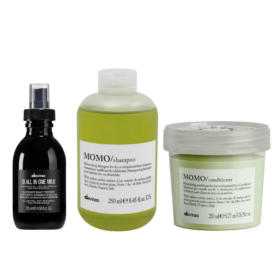
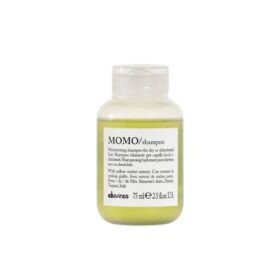
Davines Momo Shampoo 250ml
$50.90 -
New!
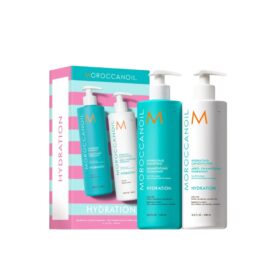
Moroccanoil Hydrating 500ml Duo
$139.95 -
New!
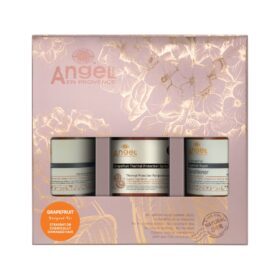
Angel Grapefruit/Thermal Spray Trio
$62.90 -
New!
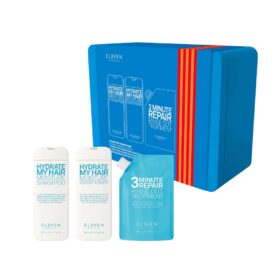
Eleven Hydrate Trio
$78.00 -
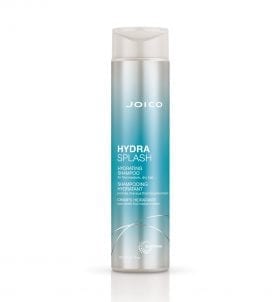
Joico HydraSplash Shampoo 300 mL
$34.99 -
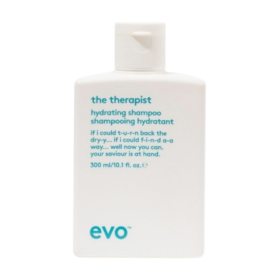
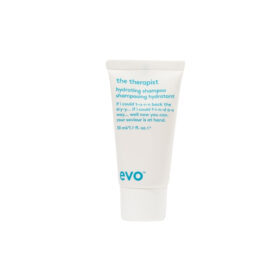
Evo The Therapist Hydrating Shampoo 300ml
$43.00 -
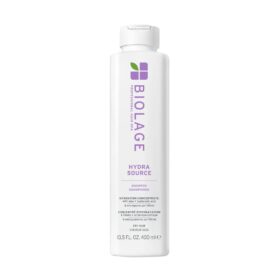
Biolage Hydrasource Shampoo 400ml
$41.99 -
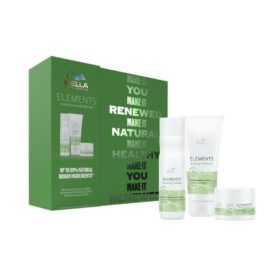
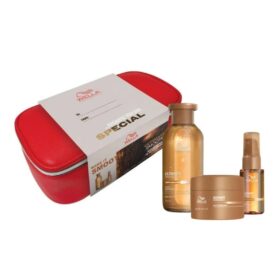
Wella Elements Trio
$99.95 -
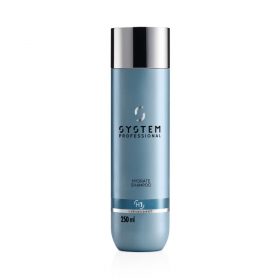
System Professional Forma Hydrate Shampoo 250 mL
$64.50 -
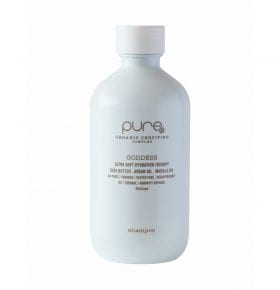
Pure Organic Goddess Shampoo 300ml
$41.50 -
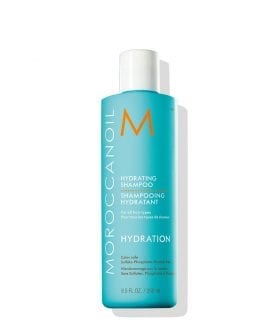
Moroccanoil Hydrating Shampoo 250ml
$48.80 -
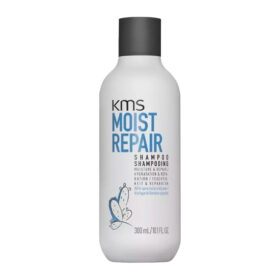
KMS MoistRepair Shampoo 300ml
$38.00 -
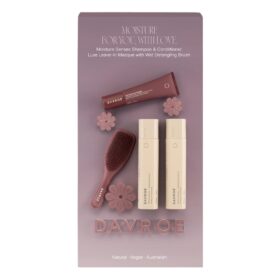
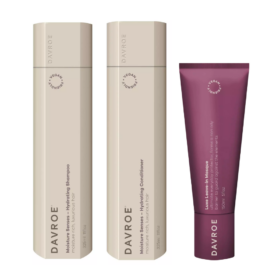
Davroe Moisture Senses Trio
$89.90 -
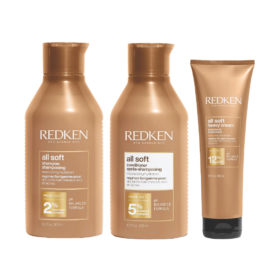
Redken All Soft Bundle
Original price was: $143.48.$121.96Current price is: $121.96.Save 15% -
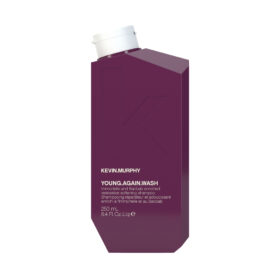
Kevin Murphy Young Again Wash 250ml
$65.00 -
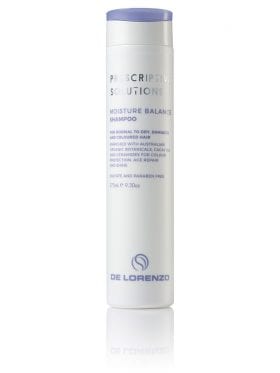
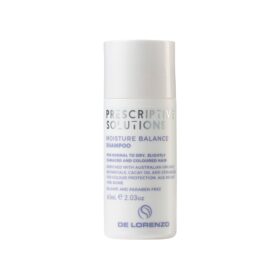
De Lorenzo Prescriptive Solutions Moisture Balance Shampoo 275ml
$31.90 -
New!
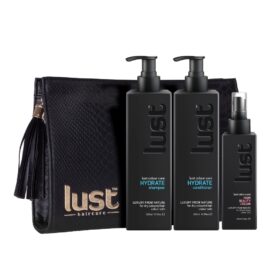
Lust Hydrate/Beauty Cream Trio
$69.90 -
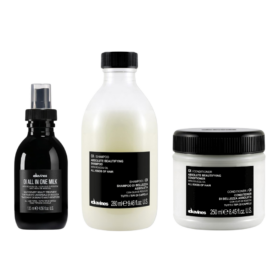
Davines Oi Bundle
Original price was: $191.70.$162.94Current price is: $162.94.Save 15% -
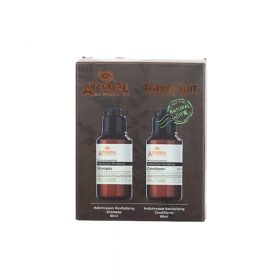
Angel Helichrysum Travel Duo
$18.90 -
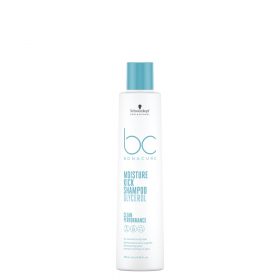
BC Clean Performance Moisture Kick Shampoo 250ml
$40.00 -
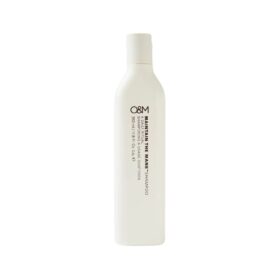
O&M Maintain The Mane Shampoo 350ml
$46.00 -
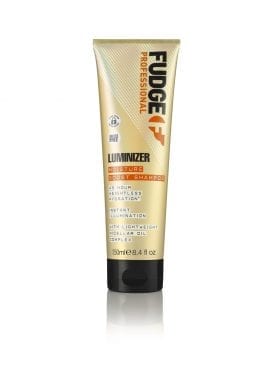
Fudge Luminizer Shampoo 250ml
$23.99 -
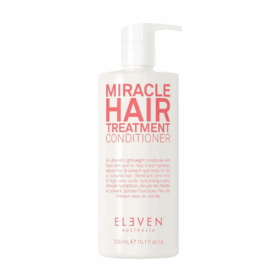
Eleven Miracle Hair Treatment Conditioner 300ml
$45.00 -
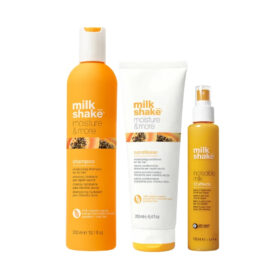
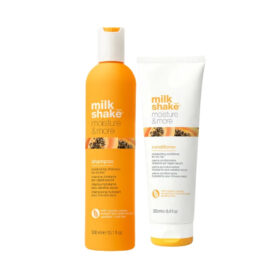
Milk Shake Moisture & More Bundle
Original price was: $112.85.$95.92Current price is: $95.92.Save 15% -
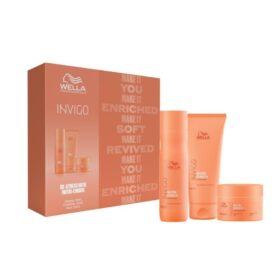
Wella Invigo Nutri Enrich Trio
$89.95 -
New!
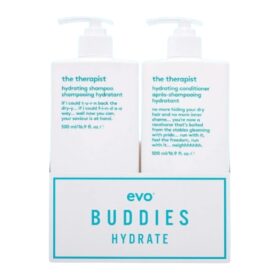
Evo Buddies Hydrate 500ml Duo
$92.00 -
Davroe Moisture Bundle
Original price was: $126.85.$107.82Current price is: $107.82.Save 15% -
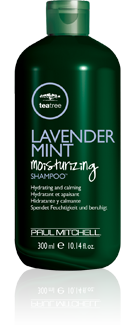
Paul Mitchell Tea Tree Lavender Mint Shampoo 300 mL
$35.50 -
Pureology Hydrate Bundle
Original price was: $180.90.$153.76Current price is: $153.76.Save 15% -
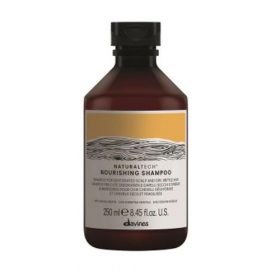
Davines NaturalTech Nourishing Shampoo 250ml
$61.50 -
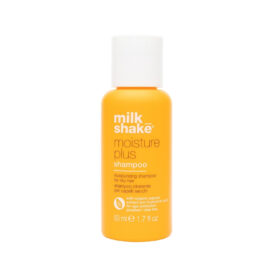
Milk Shake Moisture+ Shampoo Travel 50ml
$15.95 -
Kevin Murphy Hydrate Bundle
Original price was: $207.00.$175.95Current price is: $175.95.Save 15% -
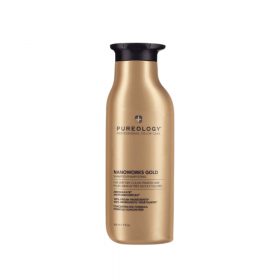
Pureology Nanoworks Gold Shampoo 266ml
$66.00 -
Davines Momo Bundle
Original price was: $156.90.$133.36Current price is: $133.36.Save 15% -
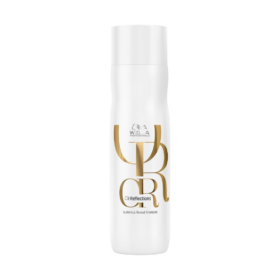
Wella Oil Reflections Luminous Reveal Shampoo 250ml
$47.00 -
Angel Helichrysum (Hydrating) Bundle
Original price was: $128.70.$109.39Current price is: $109.39.Save 15% -
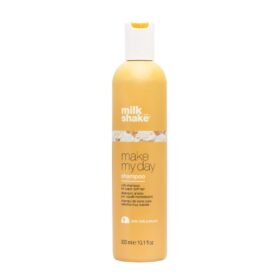
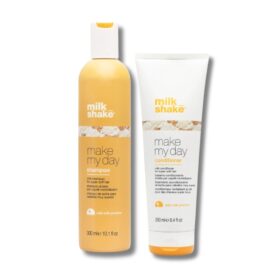
Milk Shake Make My Day Shampoo 300ml
$43.95 -
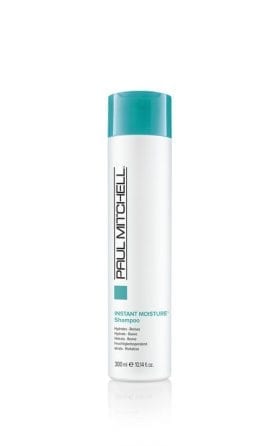
Paul Mitchell Instant Moisture Shampoo 300 mL
$31.00 -
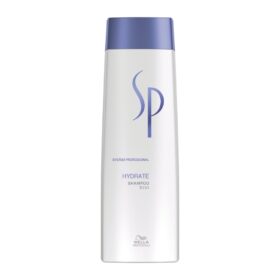
Wella SP Hydrate Shampoo 250ml
$54.99 -
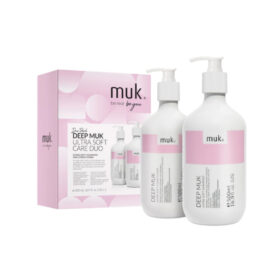
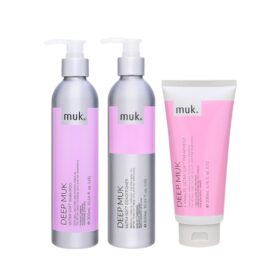
Muk Deep Ultra Soft 500ml Duo
$79.90 -
Milk Shake Argan Shampoo 300ml
$43.95 -
Davines OI Shampoo Travel 75ml
$27.50 -
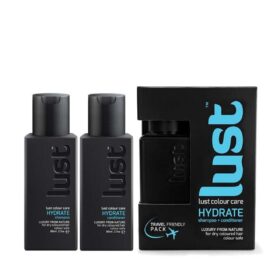
Lust Hydrate Travel Duo
$19.90 -
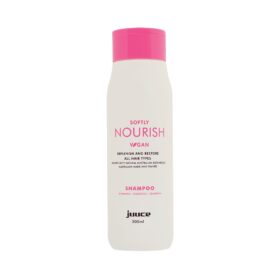
Juuce Softly Nourish Shampoo 300ml
$31.15 -
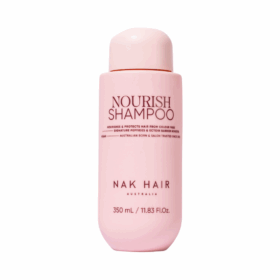
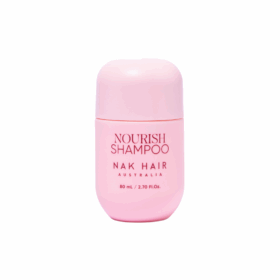
Nak Nourish Shampoo 350ml NEW
$35.99 -
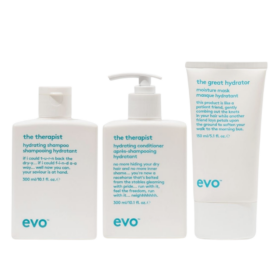
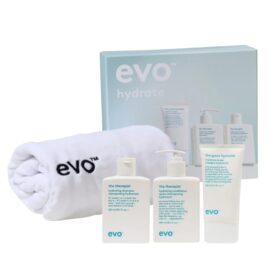
Evo Hydrate Bundle (The Therapist + The Great Hydrator)
Original price was: $135.00.$114.75Current price is: $114.75.Save 15% -
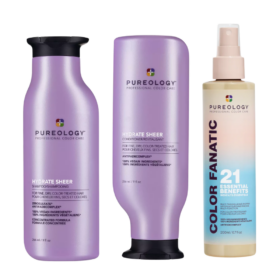
Pureology Hydrate Sheer Bundle
Original price was: $180.90.$153.76Current price is: $153.76.Save 15% -
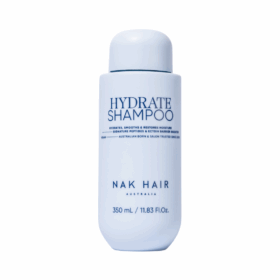
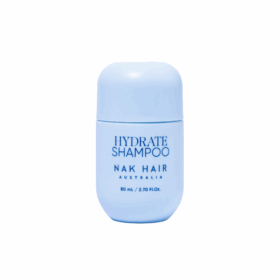
Nak Hydrate Shampoo 350ml NEW
$35.99 -
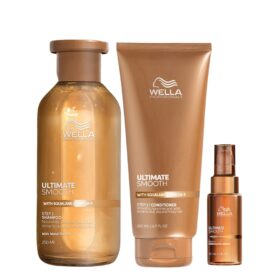
Wella Ultimate Smooth (Oil) Bundle
Original price was: $168.00.$142.80Current price is: $142.80.Save 15% -
Milk Shake Make My Day Duo
$69.95 -
Davroe Moisture Shampoo Mini 100ml
$17.95 -
New!
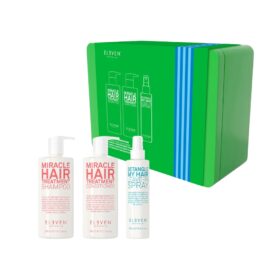
Eleven Miracle Trio
$78.00 -
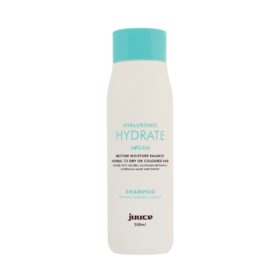
Juuce Hyaluronic Hydrate Shampoo 300ml
$31.15 -
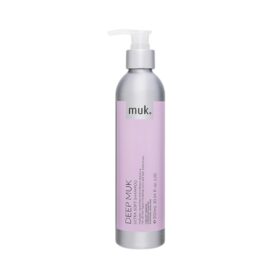
Muk Deep Ultra Soft Shampoo 300ml
$37.95 -
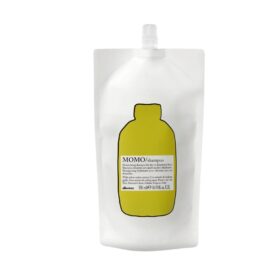
Davines Momo Shampoo Refill 500ml
$85.90 -
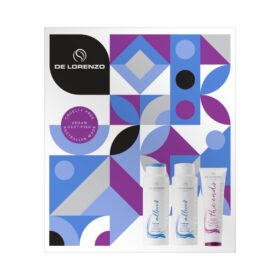
De Lorenzo Allevi8/The Ends Trio
$59.90 -
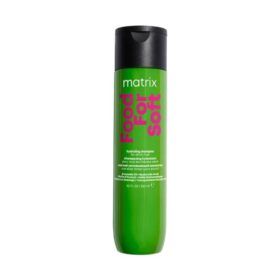
Matrix Food For Soft Hydrating Shampoo 300ml
$32.99 -
Joico Moisture Recovery Bundle
Original price was: $135.50.$115.17Current price is: $115.17.Save 15% -
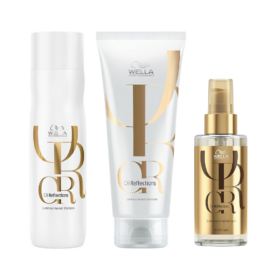
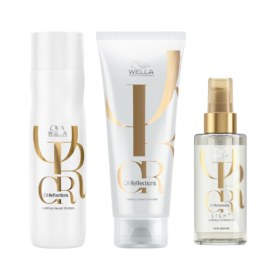
Wella Oil Reflections Bundle
Original price was: $142.20.$120.87Current price is: $120.87.Save 15% -
Milk Shake Moisture Duo
$69.95 -
New!
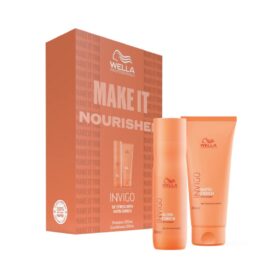
Wella Invigo Nutri Enrich Duo
$59.95 -
Davines Momo Shampoo Travel 75ml
$22.90 -
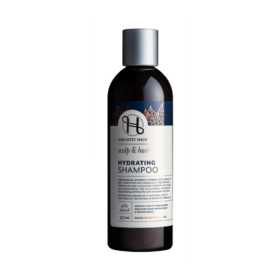
Holistic Hair Hydrating Shampoo 250ml
$32.99 -
New!
Wella Ultimate Smooth Trio
$124.95 -
Evo The Therapist Hydrating Shampoo Travel 30ml
$9.00 -
Paul Mitchell Clean Beauty Hydrate Shampoo 250 mL
$37.00 -
New!
Muk Hair Ultra Soft Bundle
Original price was: $113.85.$96.77Current price is: $96.77.Save 15% -
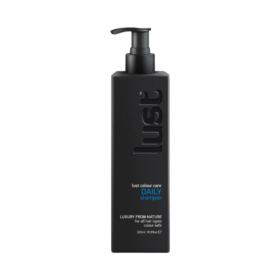
Lust Daily Shampoo 325ml
$36.00 -
DunGud Date Night Hydrating Shampoo 250ml
$44.95 -
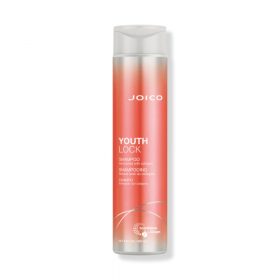
Joico Youthlock Collagen Shampoo 300ml
$46.50 -
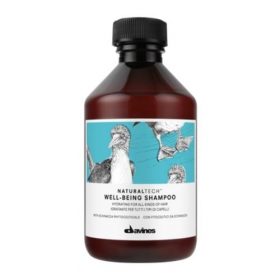
Davines NaturalTech Wellbeing Shampoo 250ml
$61.50 -
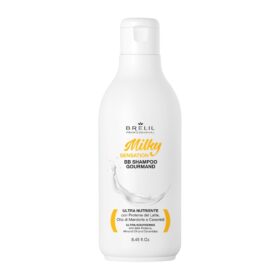
Brelil Milky Sensation BB Shampoo 250ml
$35.50 -
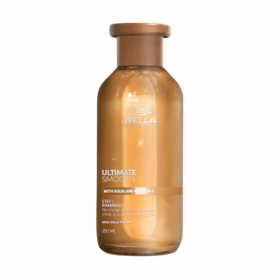
Wella Ultimate Smooth Shampoo 250ml
$62.00 -
Wella Oil Reflections Light Reflective Bundle
Original price was: $142.50.$114.00Current price is: $114.00.Save 20% -
Holistic Hair Hydrating Travel Set
$20.50 -
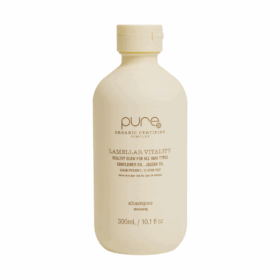
Pure Organic Lamellar Vitality Shampoo 300ml
$49.50 -
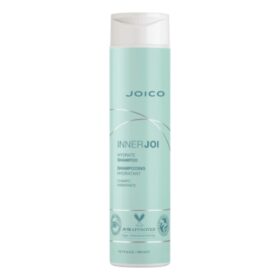
Joico Innerjoi Hydrate Shampoo 300ml
$48.50 -
Davines Authentic Cleansing Nectar 280ml
$49.90 -
Paul Mitchell Clean Beauty Everyday Shampoo 250 mL
$37.00 -
New!
Kevin Murphy Hydrate Me Wash Travel 40ml
$17.00 -
Muk Head Dandruff Shampoo 300ml
$37.95 -
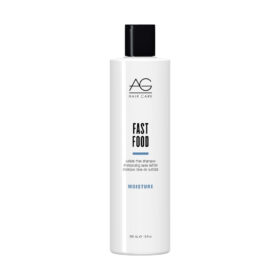
AG Hair Moisture & Shine Fast Food Shampoo 296ml
$38.95 -
New!
De Lorenzo Prescriptive Solutions Moisture Balance Shampoo Travel 60ml
$11.90 -
New!
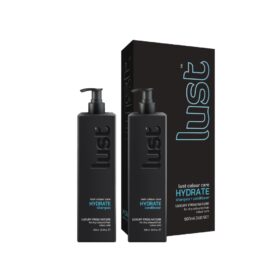
Lust Hydrate 500ml Duo
$79.00 -
New!
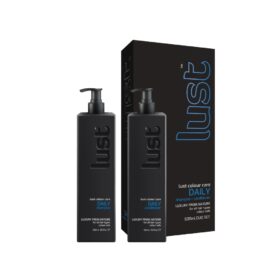
Lust Daily 500ml Duo
$79.00 -
New!
Evo Under Wraps Hydrate Trio
$92.00 -
New!
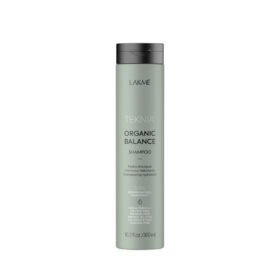
Lakme Teknia Organic Balance Shampoo 300ml
$47.95 -
New!
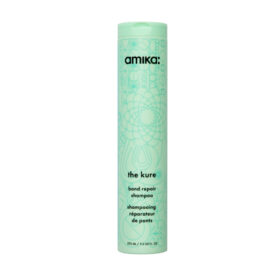
Amika The Kure Strength Repair Shampoo 275ml
Original price was: $53.95.$43.16Current price is: $43.16.Save 20% -
New!
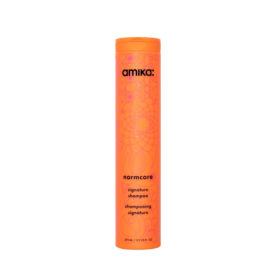
Amika Normcore Signature Shampoo 275ml
Original price was: $47.95.$38.36Current price is: $38.36.Save 20% -
New!
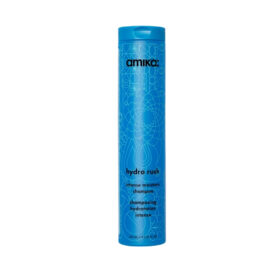
Amika Hydro Rush Intense Moisture Shampoo 275ml
Original price was: $53.95.$43.16Current price is: $43.16.Save 20% -
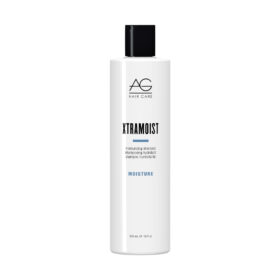
AG Hair Moisture & Shine Xtramoist Moist Shampoo 296ml
$38.95 -
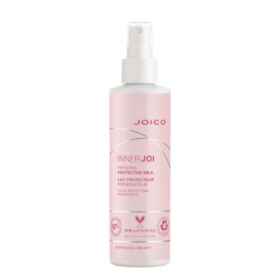
Joico Innerjoi Hydrate Preserve Protective Milk 200ml
$52.50 -
New!
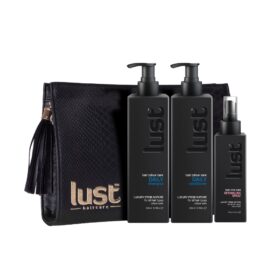
Lust Daily/Detangling Spray Trio
$69.90 -
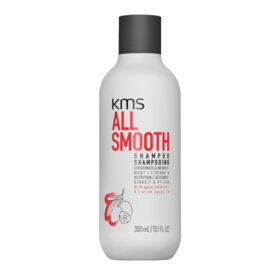
KMS AllSmooth Shampoo 300ml
$38.00 -
New!
Nak Hydrate Shampoo Travel 80ml
Original price was: $16.95.$14.41Current price is: $14.41.Save 15% -
New!
Nak Nourish Shampoo Travel 80ml
Original price was: $16.95.$14.41Current price is: $14.41.Save 15% -
Nine Yards All In Moist Shampoo 300ml
$58.15 -
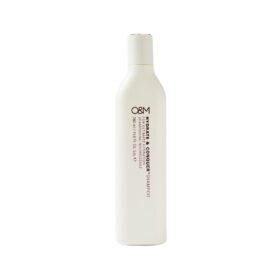
O&M Hydrate & Conquer Shampoo 350ml
$46.00







Dry Hair Shampoo NZ
Bring dry hair back to life. Browse our range of moisturizing shampoo and hydrating treatments for dry, damaged, and dehydrated hair from professional brands including Angel, Redken, Davines, Joico, Kevin Murphy, and more – fast NZ delivery on every order. …
How to Find the Best Shampoo for Dry Hair
Dry hair is not a cosmetic problem. It is a structural one. When the hair shaft runs low on moisture, the cuticle – the overlapping outer layer that protects each strand – lifts and roughens. Light reflects off it unevenly, which is why dry hair looks dull. The rough surface creates friction between strands, which causes tangles. And because the cuticle is no longer sealed, moisture keeps escaping, which is why dryness compounds over time if the routine does not actively address it.
The causes stack up: heat styling, chemical processing, hard water, UV exposure, wind, and dry indoor air in winter. Some people just have a scalp that produces less sebum than average, which means the hair starts out drier and stays that way regardless of what they do to it. Whatever the reason, the fix begins with the shampoo. Not because shampoo alone solves the problem – it does not – but because the wrong shampoo makes everything worse before the conditioner has a chance to help.
A proper shampoo for dry hair cleanses without stripping. It uses mild surfactants that remove dirt and product buildup without pulling the natural oils the hair actually needs. The best formulas go further, depositing humectants like glycerin or hyaluronic acid and emollients like argan oil or shea butter into the strand during the wash itself. The hair comes out genuinely hydrated rather than just temporarily softened by a silicone coat.
We have stocked these brands at Synergy Hair for over 25 years. Here is what we recommend depending on how dry the hair actually is and what else is going on with it.
Dry and Damaged – When Moisture Alone Is Not Enough
Dryness and damage tend to arrive together. The same heat, chemicals, and environmental factors that dry hair out also weaken its internal protein structure. Hair that is both dry and damaged breaks more easily, loses elasticity, splits at the ends, and does not hold styles as well as it should.
Redken All Soft Shampoo is one of the products we have carried the longest and still recommend the most for this combination. The argan oil base delivers genuine moisture – not a surface coat – and the formula softens hair progressively with continued use. The hair feels different after the first wash, but the real change shows up after two or three weeks of consistent use when the overall moisture level has built up. Redken also sells the All Soft range as a bundle – shampoo, conditioner, and heavy cream treatment – which is the approach that gets the best results on hair that is both dry and breaking.
Joico Moisture Recovery Shampoo targets the same problem from a different angle. The Hydramine Sea Complex blends marine amino acids with botanical butters and oils, and the formula is built for coarse or porous hair that drinks moisture up and loses it just as fast. Porous hair – whether naturally so or made porous by bleaching – needs a shampoo that does not just deliver hydration but helps the strand hold onto it. Joico does that better than most.
People with seriously dry hair tend to go through the larger bottle faster than they expect.
Fine Hair That Is Also Dry – The Balancing Act
Rich, creamy dry hair shampoos are designed for thick or coarse strands. Put them on fine hair, and the weight drags everything flat – the hair looks limp, feels greasy at the root, and loses whatever volume it had before the wash. Plenty of people with fine dry hair give up on moisturising shampoo entirely because of this, and their hair pays the price.
Kevin Murphy HYDRATE-ME.WASH solves this specific problem. It hydrates through lightweight, absorbable ingredients rather than heavy oils and butters. The moisture gets into the strand without sitting on top of it, so fine hair comes out soft and hydrated but still has body and movement. No limpness, no residual heaviness, no greasy-looking roots.
For fine dry hair, application matters. Shampoo at the scalp, let the lather run through the lengths, and follow with a lightweight conditioner from mid-lengths to ends only. Keeping the product off the roots preserves whatever natural volume fine hair has. A weekly hydrating mask on the ends – not the full length – tops up the moisture without flattening things.
Colour-Treated Hair and Dryness – The Two Always Travel Together
Every colour service opens the cuticle and removes moisture from inside the strand. Bleaching does it more aggressively than tinting, but all chemical colour processing leaves hair drier than it was before. And because the cuticle is now more porous, colour molecules escape alongside the moisture, which is why dry colour-treated hair looks faded and dull faster than healthy coloured hair does.
Davines MOMO is one of the best shampoos for dry hair options we carry for colour-treated customers. The gel-texture formula delivers strong hydration without any sulphates, so it cleans gently enough to preserve both moisture and colour. The hair comes out hydrated, soft, and noticeably shinier – and the colour holds up wash after wash rather than fading rapidly.
Angel’s Helichrysum range is another solid pick for coloured dry hair. Naturally derived ingredients, no harsh surfactants, and a formula designed to replenish moisture consistently without interfering with colour deposit. Angel tends to suit people who prefer a botanical approach – plant-based actives, lighter scent profiles, gentler on sensitive scalps.
For heavily coloured or highlighted hair, pair whichever shampoo suits best with a colour-safe conditioner and a deep hydrating mask once a week. That three-step routine – shampoo, conditioner, weekly mask – is what keeps colour-treated dry hair from sliding into damage territory.
Severely Dry or Chemically Processed Hair – The Deep End
Hair that has been through multiple rounds of bleaching, perming, or relaxing sits at the extreme end of the dryness spectrum. The internal structure has been altered by the chemicals – disulphide bonds are broken, protein is stripped, and the strand’s ability to hold moisture is fundamentally reduced. No shampoo fixes that on its own. The hair needs a system.
The approach here is layering. An intensive moisturizing shampoo every wash – something like Joico Moisture Recovery or Redken All Soft – paired with a rich conditioner and a weekly deep conditioning mask. Add a leave-in treatment to wet hair after every wash to seal moisture in before the cuticle lets it out. Over weeks of consistent use, the hair’s moisture retention improves, and its texture gradually returns.
For very damaged hair, washing less frequently also helps. Two washes a week, rather than three or four, give the scalp’s natural oils time to travel down the strand and do some of the hydrating work that shampoo and conditioner handle on wash days. Between washes, a lightweight hair oil on the mid-lengths and ends helps prevent drying.
Dry Scalp and Dry Hair – Same Symptoms, Sometimes Different Causes
Dry scalp and dry hair often appear together, but they are not always the same problem. A dry scalp feels tight, sometimes itchy, and produces small white flakes that look like dandruff but are actually just dead skin from dehydration. It is caused by a lack of moisture at the skin level, not by fungal activity or excess oil, unlike dandruff.
When both the scalp and the hair are dry, a gentle moisturising shampoo addresses both at once. Massage it into the scalp properly – not just a quick pass through the lengths – and follow with a hydrating conditioner applied from roots to ends. Dry scalp is one of the few situations where conditioning at the root is appropriate, because the scalp itself needs the moisture rather than producing too much of its own oil.
If the flaking persists despite consistent moisturising, it may be dandruff or seborrheic dermatitis rather than simple dryness – both of which need a different treatment approach. Browse our anti-dandruff range or get in touch, and we can help figure out which it is.
Building a Routine That Fixes Dryness Long-Term
A single product does not solve dry hair. A routine does. Here is what works.
Wash two to three times a week with a shampoo for dry hair. Daily washing strips the scalp’s natural oils faster than they can replenish, which keeps the hair in a constant state of dehydration regardless of what else is being applied. Follow every wash with a conditioner matched to the level of dryness – lightweight for fine dry hair, rich for coarse or damaged dry hair. Use a deep conditioning mask once a week, left on for ten to fifteen minutes, to push moisture deeper into the strands than a daily conditioner can reach.
Between washes, a hair oil or serum applied to the mid-lengths and ends keeps the cuticle smooth and stops moisture from escaping. On non-wash days, dry shampoo at the roots freshens things up without the stripping that a full wet wash can cause.
That routine – the right shampoo, the right conditioner, a weekly mask, and a between-wash oil – is what turns dry hair around over the course of a month or two. The best shampoo for dry hair NZ shoppers can find is whichever one fits into a consistent system, rather than being used once and abandoned.
Why Buy From Synergy Hair?
Every dry hair shampoo and treatment we carry is a genuine product sourced through brand-authorised distributors. We have been NZ-owned and operated for over 25 years, and everything in our range is professional haircare we would use on our own clients.
Orders over $80 ship free across New Zealand. Same-day dispatch on weekday orders.
Frequently Asked Questions
What is the difference between dry hair and dehydrated hair?
Different problems, different fixes. Dry hair is a hair type: the scalp produces less oil than average, so the hair is naturally low in moisture. Dehydrated hair is a temporary condition caused by water loss - it can happen to any hair type, even oily hair. Dehydrated hair feels rough and looks flat, but might still be greasy at the roots. Dry hair needs products that replenish both oil and moisture. Dehydrated hair responds better to humectant-heavy products - glycerin, hyaluronic acid, aloe vera - that restore water content specifically.
Can hard water cause dry hair?
More than most people in New Zealand realise. Dissolved calcium and magnesium in hard water deposit onto the hair shaft with every wash. Over time, those minerals build up, roughen the cuticle, block moisture from entering, and accelerate colour fade. If the hair feels dry and dull despite a solid routine, hard water is worth investigating. A clarifying shampoo used once a fortnight strips away mineral buildup, letting the moisturising shampoo actually do its job.
Does heat styling permanently dry hair out?
The damage accumulates, but it is not irreversible. Repeated heat exposure without protection breaks down the hair's protein structure and weakens its ability to hold moisture. But with reduced heat use, consistent deep conditioning, and a good moisturising routine, heat-damaged hair improves noticeably within a few months. A heat protectant before every styling session stops the damage from getting worse while the existing damage repairs.
Why does my hair still feel dry after conditioning?
Three common reasons. The conditioner may not be rich enough for the level of dryness. It may be rinsed out before it has time to absorb - try leaving it on for 3 to 5 minutes instead of rinsing immediately. Or the shampoo may be too harsh, stripping moisture faster than the conditioner can replenish it. Switching to a gentler, sulphate-free shampoo for dry hair often fixes this without changing anything else in the routine.
Should dry hair be air-dried or blow-dried?
Counterintuitive as it sounds, blow-drying on low heat can be gentler on very dry or porous hair than air-drying. Hair that stays wet for extended periods swells and contracts repeatedly as it slowly dries - a process called hygral fatigue that weakens the cuticle over time. A low-heat blow-dry with a heat protectant dries the hair faster and avoids the repeated swelling cycle. The key is low heat and constant movement - never concentrating the dryer on one section.
Does diet affect how dry hair is?
It can. Hair relies on protein, biotin, zinc, omega-3 fatty acids, and vitamins A, C, D, and E to maintain its structure and moisture balance. A diet consistently low in these nutrients shows up in the hair as dryness, brittleness, and slow growth. Topical products address the external symptoms, but if dryness persists despite a solid haircare routine, a closer look at nutrition - or a conversation with a GP - is a reasonable next step.
What is the best shampoo for dry hair in NZ?
It depends on the hair type and the severity. Redken All Soft Shampoo is our most recommended for dry and damaged hair across the board - it works on a wide range of textures and delivers consistent results. For fine dry hair, Kevin Murphy HYDRATEWASH hydrates without weighing anything down. For colour-treated dry hair, Davines MOMO Shampoo is sulphate-free and protects colour while delivering strong hydration. Joico Moisture Recovery suits very dry, coarse, or porous hair that needs intensive moisture replenishment. Get in touch if the choice feels unclear, and we will match a product to the hair.