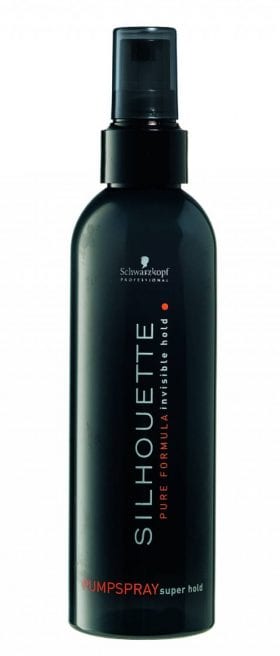
Oily Hair Shampoo
Oily Hair Shampoo
Tired of daily hair washing or dealing with an unintentional slick back look? We’ve got you covered. Shop our range of the best balancing shampoos for oily hair to keep your hair fresher for longer.
Browse through top brands including Angel, De Lorenzo, Milk Shake, and Paul Mitchell and find the right shampoo for you.
Showing all 18 resultsSorted by popularity
-
New!
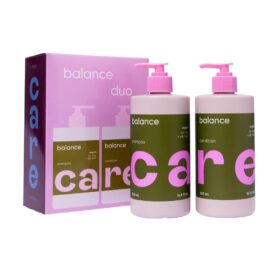
Nak Care Balance 500ml Duo
$39.99 -
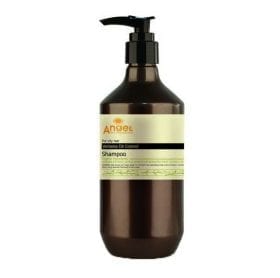
Angel Verbena Oil Control Shampoo 400ml
$41.90 -
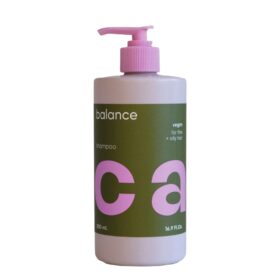
Nak Care Balance Shampoo 500ml
$23.45 -
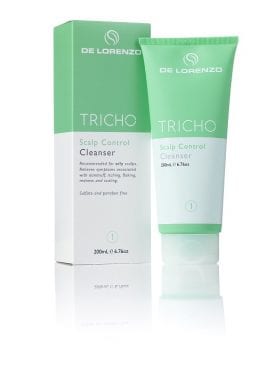
De Lorenzo Tricho Scalp Control Cleanser 200ml
$33.00 -
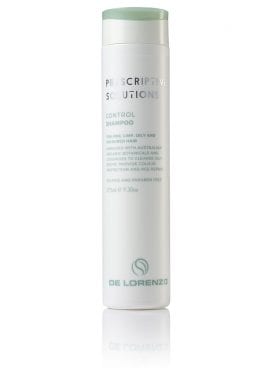
De Lorenzo Prescriptive Solutions Control Shampoo 275ml
$31.90 -
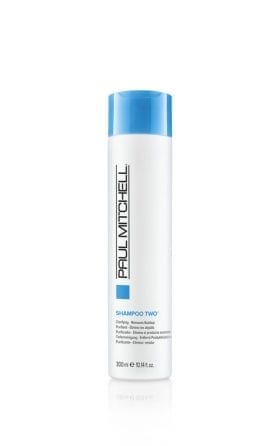
Paul Mitchell Shampoo Two 300 mL
$31.00 -
Milk Shake Normalising Blend Shampoo 300ml
$39.95 -
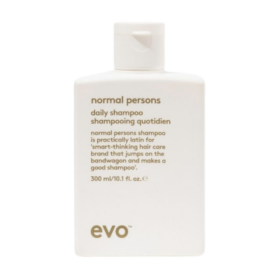
Evo Normal Persons Daily Shampoo 300ml
$43.00 -
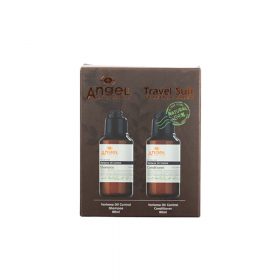
Angel Verbena Travel Duo
$18.90 -
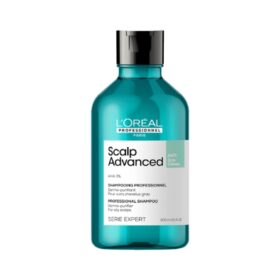
Loreal Scalp Advanced Anti Oiliness Shampoo 300ml
$49.99 -
Angel Verbena (Oily Hair) Bundle
Original price was: $121.70.$103.44Current price is: $103.44.Save 15% -
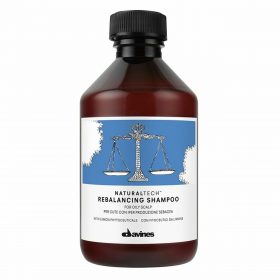
Davines NaturalTech Rebalancing Shampoo 250ml
$61.50 -
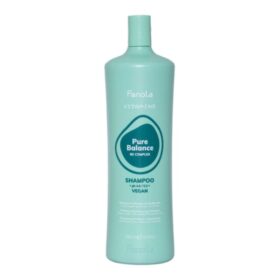
Fanola Vitamins Pure Balance Shampoo 350ml
$29.00 -
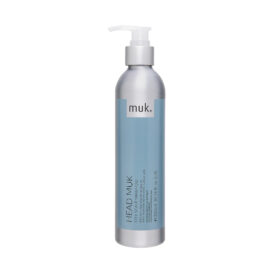
Muk Head Oily Scalp Shampoo 300ml
$37.95 -
New!
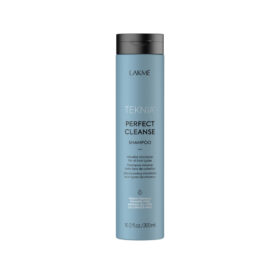
Lakme Teknia Perfect Cleanse Shampoo 300ml
$47.95 -
New!
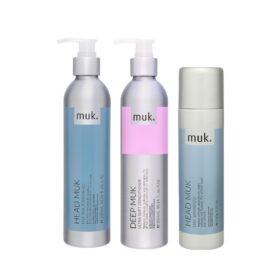
Muk Hair Bundle for Oily Hair
Original price was: $106.85.$90.82Current price is: $90.82.Save 15% -
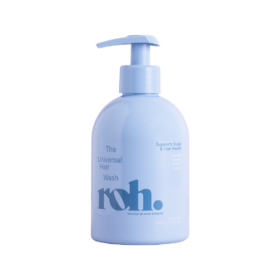
ROH Universal Hair Wash 350ml
$39.95 -
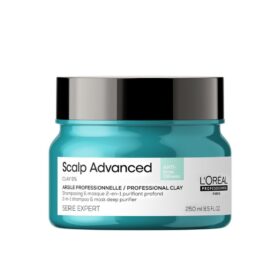
Loreal Scalp Advanced Anti-Oiliness 2-in-1 Deep Purifier Clay 250ml
$59.99

Oily Hair Shampoo NZ
Fresher hair, longer. Browse our full range of oily hair shampoo and scalp-balancing treatments from professional brands including Angel, De Lorenzo, Milk Shake, Paul Mitchell, and more – fast NZ delivery on every order. …
How to Find the Best Shampoo for Oily Hair
Here is the mistake almost everyone with oily hair makes: washing every day and assuming the grease is just something their scalp does. It is – but the daily washing makes it worse. Every time a harsh shampoo strips the scalp bare, the sebaceous glands kick into overdrive to replace the lost oil. So the hair gets greasier, which leads to more washing, which leads to more oil. The cycle feeds itself.
A proper oily hair shampoo NZ customers can rely on does something different. It removes excess oil and buildup without scorching the scalp. The goal is a thorough clean that the scalp does not panic over – so oil production gradually settles back to a normal rate instead of ramping up after every wash. Most people who switch to a professional-grade shampoo for oily hair and cut back to two or three washes a week notice the difference within a fortnight. The scalp calms down. The hair stays fresher between washes. The cycle breaks.
We have carried these brands at Synergy Hair for over 25 years. Here is what we recommend depending on the type of oily hair you are dealing with.
Oily Scalp, Normal or Dry Ends – The Most Common Situation
This is the one we hear about constantly. Roots that look greasy by evening, mid-lengths that look fine, and ends that are dry or even frizzy. It happens because the scalp is producing plenty of oil, but the strands – especially if they are fine or colour-damaged – do not have the structure to distribute it evenly. The oil pools at the root, and the rest of the hair gets nothing.
An oily scalp shampoo that handles this well needs to target the root zone without pulling moisture out of the lengths. De Lorenzo’s scalp range does exactly that – their formulas are designed to clean the scalp specifically, which means a conditioner applied to the ends afterwards does not get cancelled out by an overly aggressive wash. Angel’s balancing line takes a similar approach with botanically derived actives that regulate oil production over repeated use rather than just stripping it in the moment.
The application technique matters as much as the product. Work the shampoo into the scalp with fingertips, massage properly, and let the lather run through the lengths during rinse. Do not scrub the shampoo directly into the mid-lengths or ends – they do not need it, and the extra friction dries them out.
Fine Hair That Gets Greasy Fast
Fine strands and oily scalps are a brutal pairing. The hair has less surface area per strand, so sebum moves from root to tip faster than it would on thicker hair. A head of fine hair that looked clean at 8am can look unwashed by 2pm. Product buildup makes it worse – fine hair holds onto residue from styling products, dry shampoo, even conditioner, and all of it traps and amplifies oil.
Paul Mitchell Shampoo Two is the product we move the most for this combination. It is a proper deep-cleaning formula – strips oil, strips buildup, strips everything that fine oily hair accumulates – and it does it without that squeaky, overdried feeling that sends the scalp straight into compensation mode. The formula is also colour-safe, which makes it one of the more versatile options for people managing multiple hair concerns at once.
L’Oreal Scalp Advanced Anti-Oiliness Shampoo is a newer addition that has performed well since we started stocking it. Citric acid and salicylic acid in the formula do the heavy lifting – regulating oil at the scalp level rather than just washing it away. Good for fine or normal hair that needs the oil managed at the source.
Use either of these two to three times a week. Not daily. That point is worth repeating because it runs against every instinct a person with greasy hair has.
Oily Roots Between Washes – Dry Shampoo Changes Everything
The single most useful product for oily hair is not actually a shampoo. It is a dry shampoo, used on non-wash days to absorb oil at the roots and restore texture that grease has flattened.
The approach that works for most oily hair types is this: wash with a proper shampoo for greasy hair 2 or 3 times a week, and use dry shampoo at the roots on the days in between. A shampoo for oily roots that cleans well enough means those in-between days are manageable – the scalp is not starting from a greasy baseline, so the dry shampoo has less work to do and lasts longer.
Most people resist cutting their wash frequency because the first week feels greasy. It does. The scalp is still overproducing from the daily wash habit. Push through that initial adjustment period – two weeks is usually enough – and the oil output settles noticeably. Dry shampoo bridges the gap during that transition.
Coloured Hair on an Oily Scalp
Excess oil at the roots makes the colour look flat faster. The sebum coats the strand near the scalp, dulls the tone, and creates that unwashed look that makes fresh colour seem faded before its time. But attacking the oil with a heavy-duty clarifying wash strips colour just as effectively as the oil dulls it. Either way, the colour loses.
The solution is a shampoo for oily scalp concerns that is also explicitly colour-safe. De Lorenzo has colour-conscious options in their scalp-balancing range that we regularly recommend for this. Paul Mitchell Shampoo Two is another option here – the formula is rated colour-safe despite being a deep cleanser, which is an unusual combination and part of why it has stayed a bestseller for as long as it has.
Keep conditioner off the scalp entirely. Mid-lengths and ends only. And consider a lightweight scalp tonic between washes to manage oil production without touching the colour.
Shampoo and Conditioner for Oily Hair – Getting This Right
Conditioner is not the problem. Where and how much of it gets applied – that is the problem. A heavy conditioner slathered root to tip on oily hair will mix with the scalp’s natural oil, making everything look greasier within hours. Plenty of people with oily hair have sworn off conditioner altogether because of this, and their ends are paying the price.
The fix is simple. Use a lightweight conditioner, apply it only from the mid-lengths to the ends, and rinse thoroughly. The scalp never needs conditioner. The ends almost always do – especially if the hair is colour-treated, heat-styled, or just naturally dry at the tips despite the oily roots.
For very oily hair, conditioning every second wash instead of every wash is a reasonable approach. On non-conditioning washes, the shampoo-only routine gives the scalp a proper clean without any product immediately being reapplied. Some people with extremely oily roots also get good results from a lightweight leave-in spray on the ends instead of a rinse-out conditioner – less product sitting on the hair, same hydration benefit.
The Difference Between an Oily Hair Shampoo and a Clarifying Shampoo
People constantly confuse these two, and the distinction matters. A shampoo for oily hair is built for regular use – it cleans the scalp, manages oil production, and keeps things balanced wash after wash without overcorrecting. A clarifying shampoo is a heavy-duty reset designed to strip accumulated product buildup, hard-water mineral deposits, and stubborn residue that a regular shampoo cannot shift.
Think of clarifying shampoo as a fortnightly deep clean, not a daily driver. Using a clarifying formula every wash will absolutely strip the scalp – and on an oily scalp, that triggers the exact overproduction cycle the treatment was supposed to fix.
Nak Care Balance Shampoo sits somewhere useful between the two categories. The purifying lemongrass base and botanical actives provide a thorough clean that deals with excess sebum without the aggressive strip of a full clarifying product. It works well as a primary shampoo for oily scalps, or as a weekly deeper cleanse rotated in alongside a gentler daily formula.
The best shampoos for oily hair are the ones that make the scalp behave better over time – not just the ones that make it feel cleanest on the day.
Why Buy From Synergy Hair?
Every greasy hair shampoo and scalp treatment we carry is a genuine product sourced through brand-authorised distributors. We have been NZ-owned and operated for over 25 years, and we stock professional haircare that we would use ourselves.
Orders over $80 ship free across New Zealand. Same-day dispatch on weekday orders.
Frequently Asked Questions
What is the best shampoo for oily hair available in NZ?
It depends on the hair. Paul Mitchell Shampoo Two is the most popular option we sell for oily and fine hair - it deep-cleans without stripping and is colour-safe. De Lorenzo and Angel are better suited for an oily scalp with dry or normal ends, where the priority is scalp-targeted cleansing without drying out the lengths. For very oily hair that needs long-term scalp regulation, Milk Shake's normalising formulas and L'Oreal Scalp Advanced Anti Oiliness Shampoo both work to recalibrate oil production over time. Get in touch if the choice feels overwhelming - we do this all day.
Why does my hair get greasy so quickly after washing?
Almost always because the scalp is being overwashed. Daily washing with a harsh formula strips the scalp of its natural oils, and the scalp responds by producing more to compensate. The cycle repeats until the washing frequency is reduced. Switching to a balancing shampoo for oily hair NZ-wide from Synergy Hair and cutting to two or three washes per week - with dry shampoo on the off days - usually breaks the cycle within two to three weeks.
Should I use conditioner on oily hair?
Absolutely, but only on the mid-lengths and ends. Never on the scalp. A lightweight conditioner keeps the hair hydrated and prevents the dry, rough ends that many oily-haired people develop after years of avoiding conditioner entirely. For extremely oily scalps, conditioning every second wash instead of every wash is a workable approach.
What is a good shampoo for oily roots and dry ends?
De Lorenzo and Angel both have scalp-targeted formulas that clean the root zone without pulling moisture from the lengths. Apply the shampoo to the scalp and let the lather rinse through - do not scrub it into the ends. Follow with a lightweight conditioner from mid-lengths down. That combination treats both issues in a single wash without worsening either.
How often should oily hair be washed?
Two to three times a week for most people. The first week of reducing wash frequency feels greasy - that is normal. The scalp is still overproducing from the old routine. Push through it, and the oil output drops noticeably within a couple of weeks. Dry shampoo at the roots on non-wash days keeps things looking and feeling fresh during the transition.
Is there a shampoo for oily hair NZ shoppers can use on colour-treated hair?
Paul Mitchell Shampoo Two is colour-safe and handles oily hair well - an uncommon combination in deep-cleansing formulas. De Lorenzo also has colour-safe options in their scalp-balancing range. Avoid using clarifying shampoos regularly on coloured hair, as the stronger formula will strip colour faster than a standard oily hair wash.
What is the difference between clarifying shampoo and a shampoo for greasy hair?
A greasy hair shampoo is formulated for regular use and helps balance the scalp's oil production over time. A clarifying shampoo is a stronger, less frequent treatment that strips heavy buildup - product residue, hard water minerals, accumulated oils - in one go. Clarifying once a fortnight and using a balancing oily hair shampoo for the rest of the washes is the approach that works best for most people. Using a clarifier at every wash will overstrip the scalp and worsen oil production.