


Curl Styling
Curl Styling
Showing all 109 resultsSorted by popularity
-
Davroe Curl Creme Definer 200ml
$38.95 -
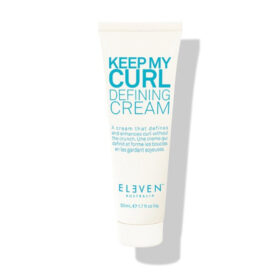
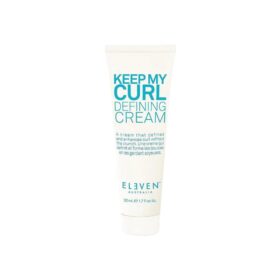
Eleven Keep My Curl Defining Cream 150ml
$42.00 -
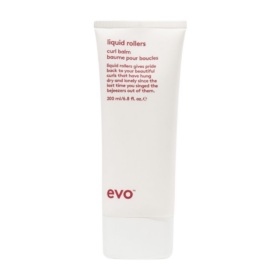
Evo Liquid Rollers Curl Balm 200ml
$43.00 -
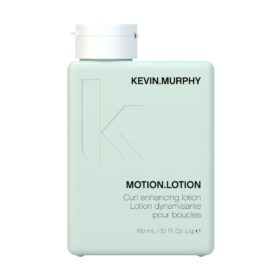
Kevin Murphy Motion Lotion 150ml
$61.00 -
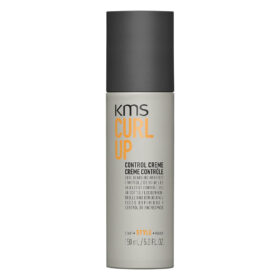
KMS CurlUp Control Creme 150ml
$39.00 -
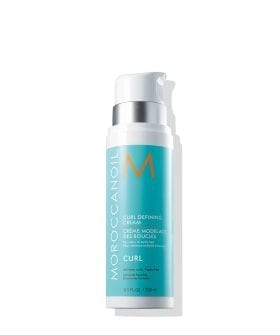
Moroccanoil Curl Defining Cream 250ml
$66.95 -
Moroccanoil Intense Curl Cream 300ml
$66.95 -
Evo Total Recoil Curl Definer 200ml
$43.00 -
De Lorenzo Barrel Wave 150g
$29.00 -
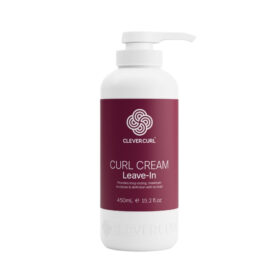
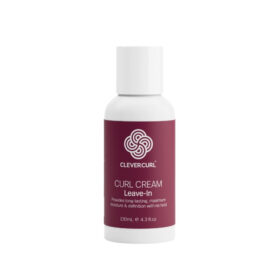
Clever Curl Curl Cream Leave In 450ml
$59.30 -
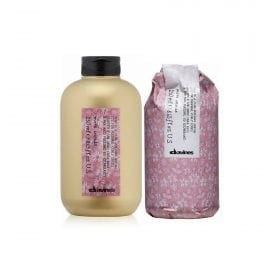
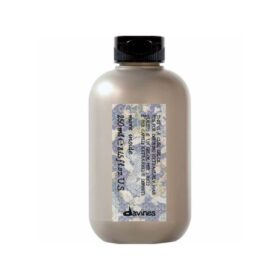
Davines More Inside Curl Building Serum 250ml
$65.90 -
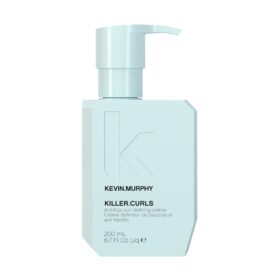
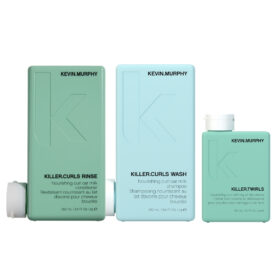
Kevin Murphy Killer Curls 200ml
$85.00 -
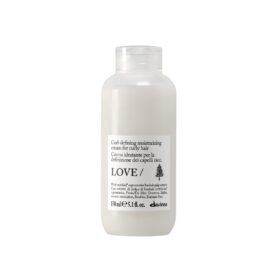
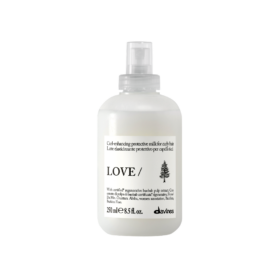
Davines Love Curl Cream 150ml
$56.90 -
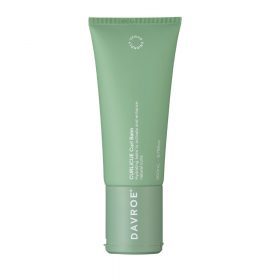
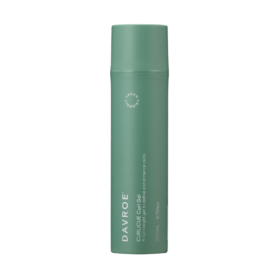
Davroe CURLiCUE Curl Balm 200ml
$49.95 -
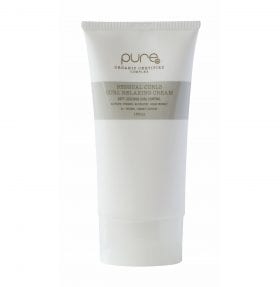
Pure Organic Sensual Curls 150ml
$41.50 -
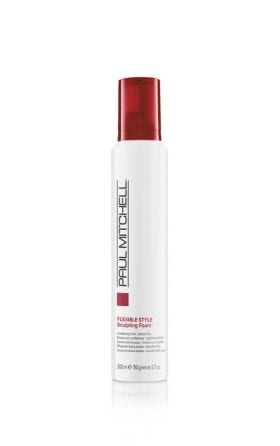
Paul Mitchell Flexible Style Sculpting Foam 200 mL
$30.00 -
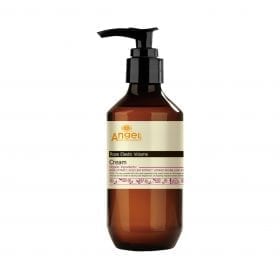
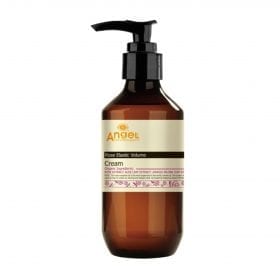
Angel Rose Elastic Volume Cream 200ml
$38.90 -
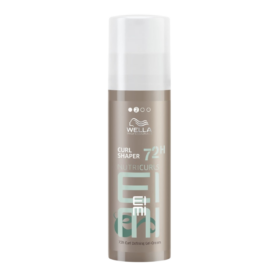
Wella Eimi Nutri Curls Curl Shaper 150ml
Original price was: $37.50.$29.50Current price is: $29.50.Save 21% -
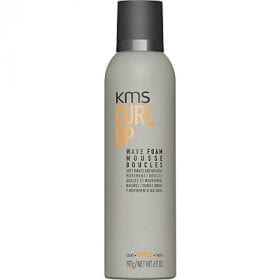
KMS CurlUp Wave Foam 200ml
$39.00 -
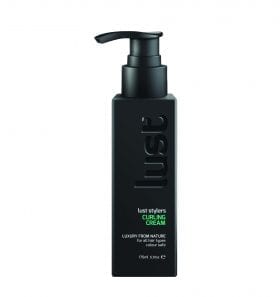
Lust Curling Cream 175ml
$36.00 -
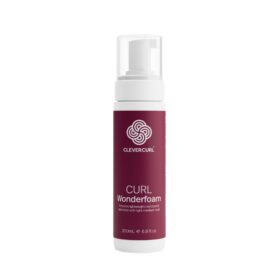
Clever Curl Wonderfoam 200ml
$40.65 -
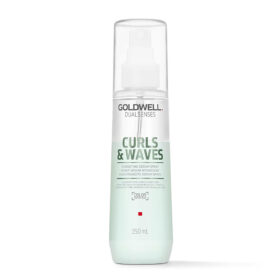
Goldwell Curls & Waves Serum Spray 150ml
$34.00 -
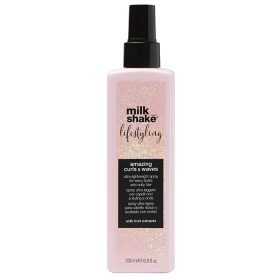
Milk Shake Amazing Curls & Waves 200ml
$52.95 -
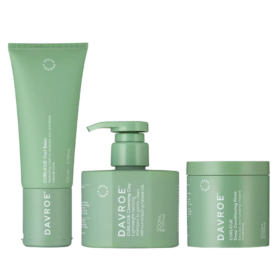
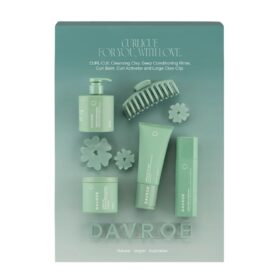
Davroe CURLiCUE Bundle
Original price was: $149.85.$127.37Current price is: $127.37.Save 15% -
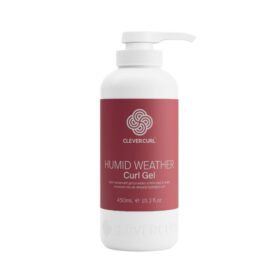
Clever Curl Humid Weather Gel 450ml
$59.30 -
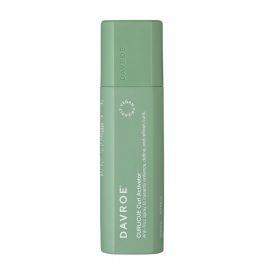
Davroe CURLiCUE Curl Activator 200ml
$42.95 -
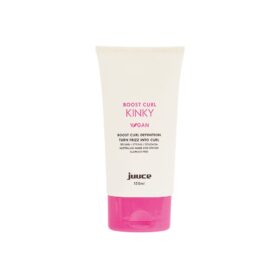
Juuce Boost Curl Kinky 150ml
$33.00 -
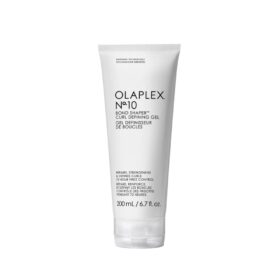
Olaplex No.10 Bond Shaper Curl Defining Gel 200ml
Original price was: $68.00.$49.95Current price is: $49.95.Save 27% -
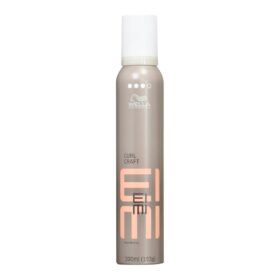
Wella Eimi Curl Craft 200ml
Original price was: $37.50.$29.50Current price is: $29.50.Save 21% -
Clever Curl Curl Cream Leave In 130ml
$22.25 -
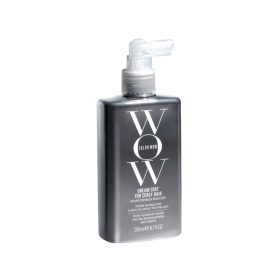
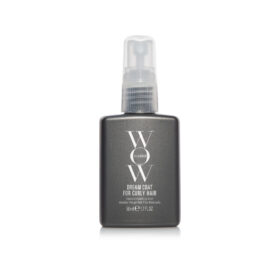
Color Wow Dream Coat Curly Spray 200ml
$54.99 -
Angel Rose Elastic Volume Cream 400ml
$59.90 -
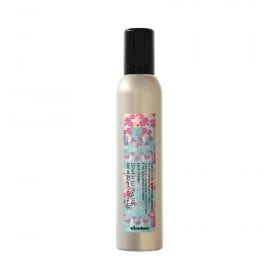
Davines More Inside Curl Moisturising Mousse 250ml
$65.90 -
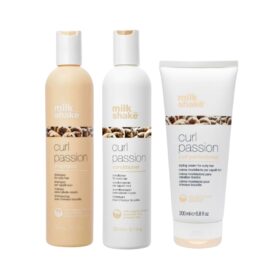
Milk Shake Curl Bundle
Original price was: $125.85.$106.97Current price is: $106.97.Save 15% -
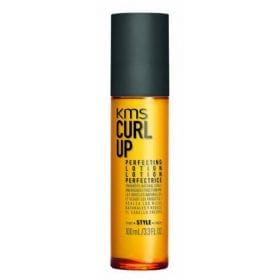
KMS CurlUp Perfecting Lotion 100ml
$39.00 -
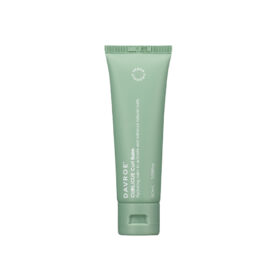
Davroe CURLiCUE Curl Balm Travel 50ml
$14.95 -
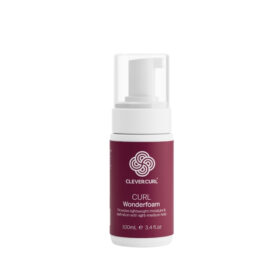
Clever Curl Wonderfoam 100ml
$23.95 -
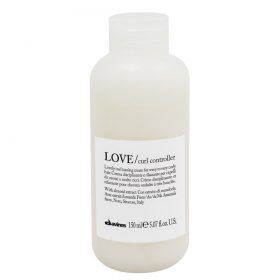
Davines Love Curl Controller 150ml
$52.50 -
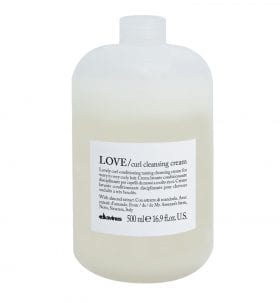
Davines Love Curl Cleansing Cream 500ml
$76.50 -
Milk Shake Curl Passion Curl Perfectionist 200ml
$48.95 -
Clever Curl Humid Weather Gel 130ml
$22.25 -
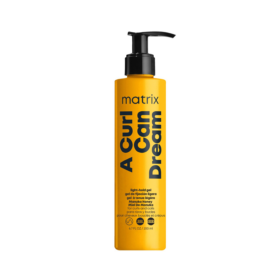
Matrix A Curl Can Dream Light Hold Gel 200ml
$31.40 -
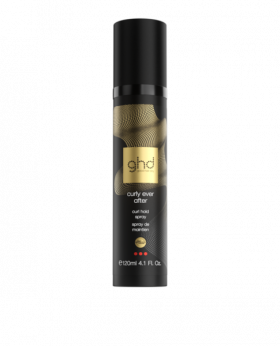
Ghd Curly Ever After Curl Hold Spray 120ml
$53.00 -
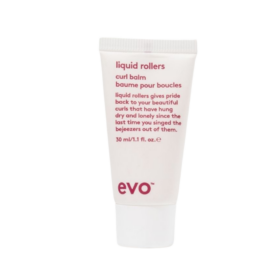
Evo Liquid Rollers Curl Balm Travel 30ml
$9.00 -
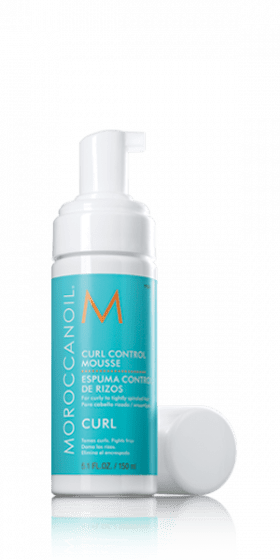
Moroccanoil Curl Control Mousse 150ml
$57.90 -
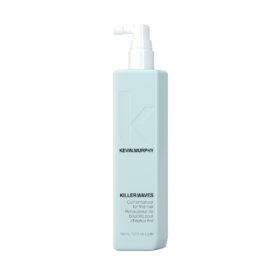
Kevin Murphy Killer Waves 150ml
$85.00 -
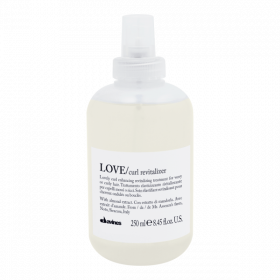
Davines Love Curl Revitaliser 250ml
$52.50 -
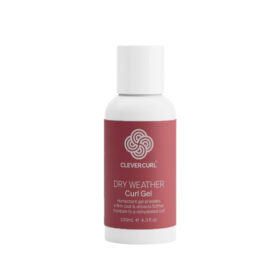
Clever Curl Dry Weather Gel 130ml
$22.25 -
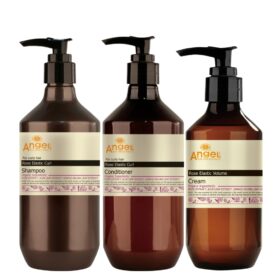
Angel Rose Curl (Curl Defining) Bundle
Original price was: $122.70.$104.29Current price is: $104.29.Save 15% -
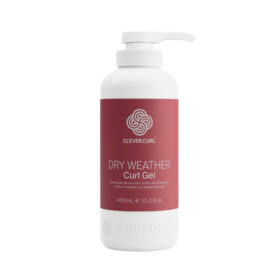
Clever Curl Dry Weather Gel 450ml
$59.30 -
Kevin Murphy Killer Curls Bundle
Original price was: $195.00.$165.75Current price is: $165.75.Save 15% -
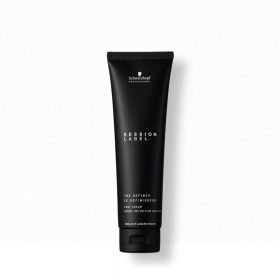
Schwarzkopf Session Label The Definer Curl Cream 150ml
$46.00 -
Davines More Inside Curl Gel Oil 250ml
$62.90 -
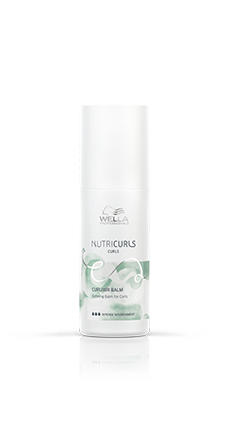
Wella Nutri Curls Curlixir Defining Balm for Curls 150ml
$51.00 -
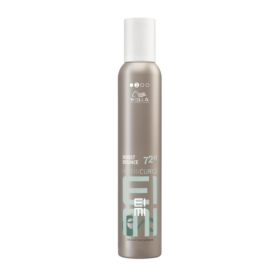
Wella Eimi Nutri Curls Boost Bounce 300ml
Original price was: $37.50.$29.50Current price is: $29.50.Save 21% -
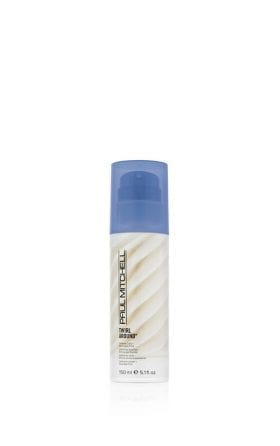
Paul Mitchell Curls Twirl Around 150 mL
$45.00 -
Evo Total Recoil Curl Definer Travel 30ml
$9.00 -
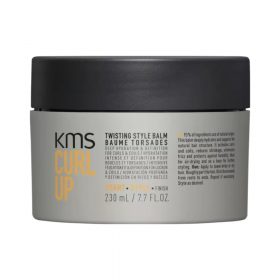
KMS CurlUp Twisting Style Balm 230ml
$39.00 -
Davroe CURLiCUE Curl Gel 200ml
$49.95 -
Color Wow Dream Coat Curly Spray Travel 75ml
$23.95 -
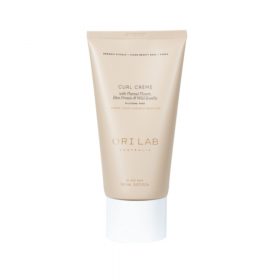
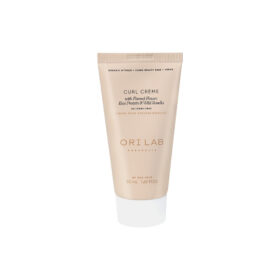
ORI Lab Curl Creme 150ml
$43.95 -
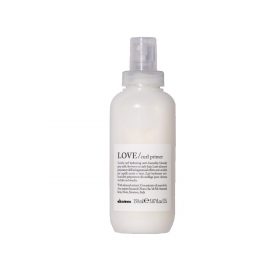
Davines Love Curl Primer 150ml
$52.50 -
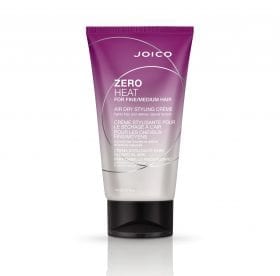
Joico Zero Heat Fine/Medium Hair Styling Creme 150 mL
$34.99 -
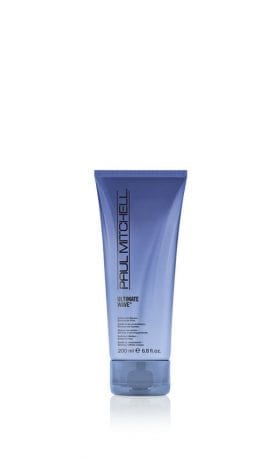
Paul Mitchell Curls Ultimate Wave 150 mL
$36.00 -
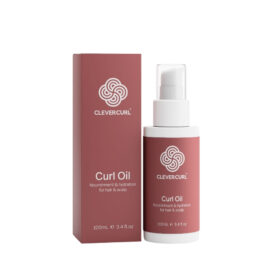
Clever Curl Curl Oil 100ml
$62.70 -
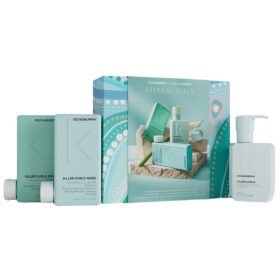
Kevin Murphy Eternal Curls Trio
$146.00 -
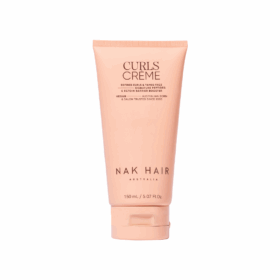
Nak Curls Creme 150ml NEW
$34.99 -
Davroe Formation Mini 50ml
$12.95 -
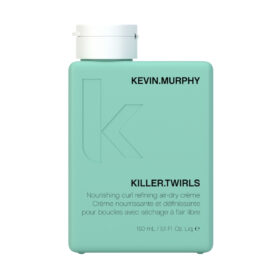
Kevin Murphy Killer Twirls 150ml
$65.00 -
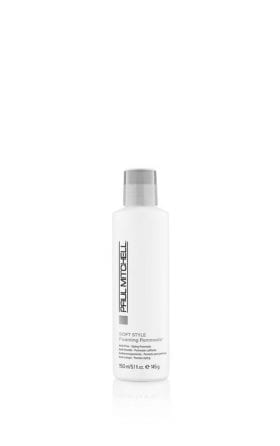
Paul Mitchell Soft Style Foaming Pomade 150 mL
$38.00 -
Pure Organic Curly Girly 200ml
$41.50 -
Redken Sculpting Curl Gel 250ml
$44.99 -
Davines Love Curl Revitalizer Travel 75ml
$22.90 -
Osis+ Bounty Balm 150ml
$29.99 -
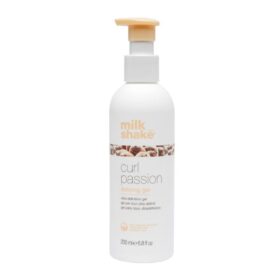
Milk Shake Curl Passion Defining Gel 200ml
$48.95 -
Eleven Keep My Curl Defining Cream Travel 50ml
$24.00 -
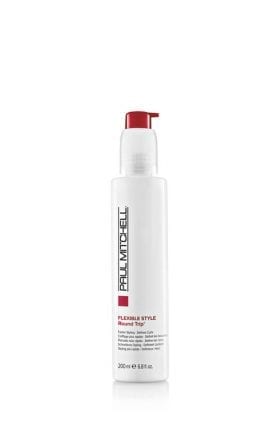
Paul Mitchell Flexible Style Round Trip 200 mL
$36.00 -
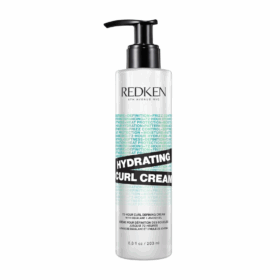
Redken Hydrating Curl Cream 200ml
$44.99 -
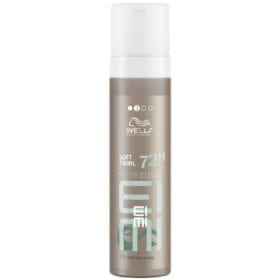
Wella Eimi Nutri Curls Soft Twirl 200ml
$37.50 -
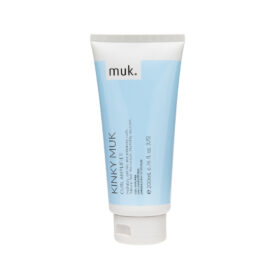
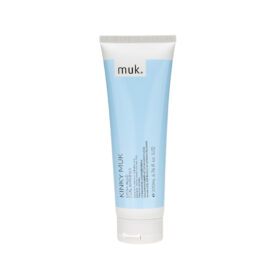
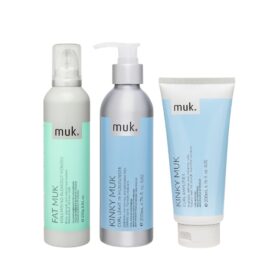
Muk Kinky Curl Amplifier 200ml
$37.95 -
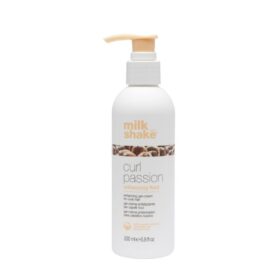
Milk Shake Curl Passion Enhancing Fluid 200ml
$48.95 -
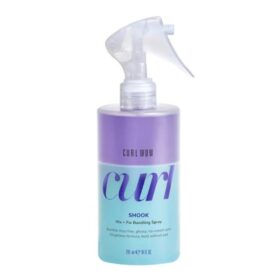
Curl WOW Shook Mix & Fix Bundling Spray 295ml
$84.95 -
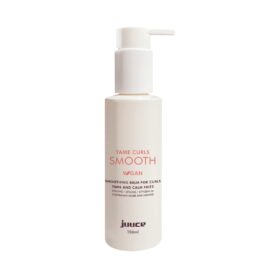
Juuce Tame Curls Smooth 150ml
$33.00 -
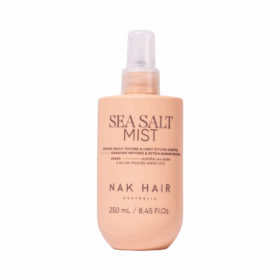
Nak Sea Salt Mist 250ml
$36.95 -
ORI Lab Curl Creme 50ml
$18.95 -
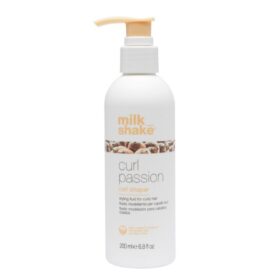
Milk Shake Curl Passion Shaper 200ml
$63.95 -
Muk Kinky Extra Hold Curl Amplifier 200ml
$37.95 -
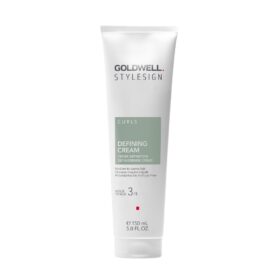
Goldwell StyleSign Defining Cream 150ml
$36.00 -
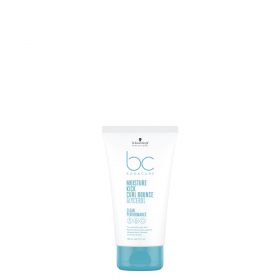
BC Clean Performance Moisture Kick Curl Bounce 150ml
$40.00 -
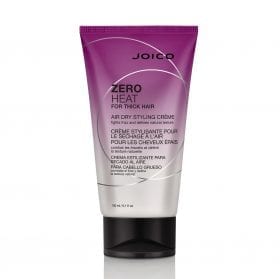
Joico Zero Heat Thick Hair Styling Creme 150 mL
$34.99 -
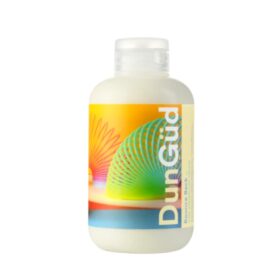
DunGud Bounce Back Curl Enhancing Cream 200ml
$44.95 -
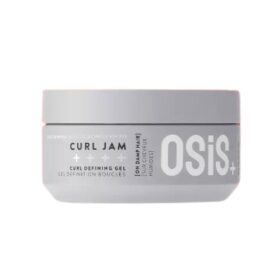
Osis+ Curl Jam 300ml
$33.99 -
Joico Curls Like Us Define & Seal Curl Defining Gelee 250ml
$48.00 -
New!
Davroe CURLiCUE Quad
$129.00 -
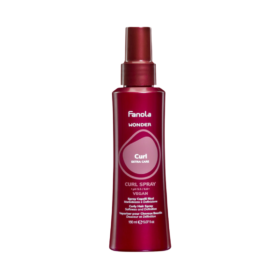
Fanola Wonder Curl Spray 195ml
$42.00 -
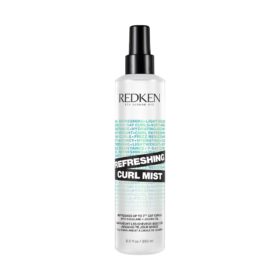
Redken Refresh Curl Mist 250ml
$44.99 -
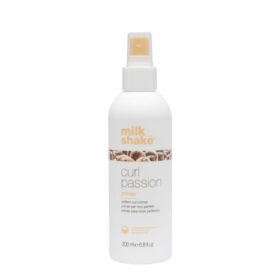
Milk Shake Curl Passion Primer 200ml
$48.95 -
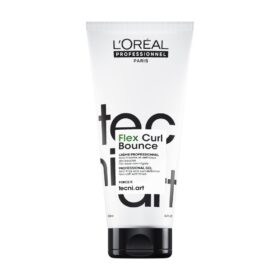
Loreal Tecni.Art Flex Curl Bounce 200ml
$45.00 -
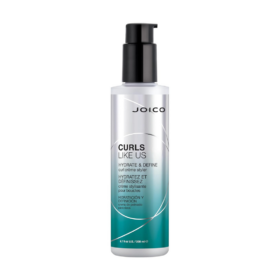
Joico Curls Like Us Hydrate & Define Curl Creme Styler 200ml
$48.00 -
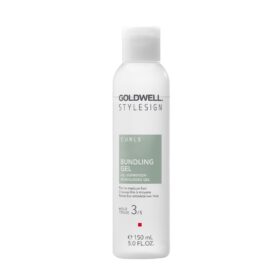
Goldwell StyleSign Bundling Gel 150ml
$36.00 -
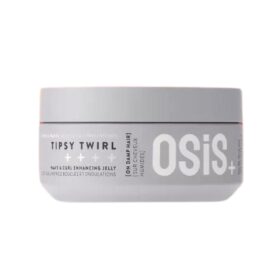
Osis+ Tipsy Twirl 300ml
$40.00 -
New!
Davines Love Curl Enhancer Milk 250ml
$56.90 -
New!
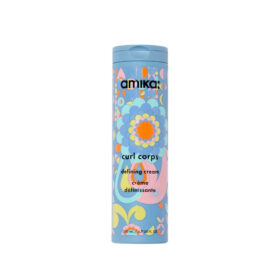
Amika Curl Corps Defining Cream 200ml
Original price was: $54.95.$43.96Current price is: $43.96.Save 20% -
New!
Muk Hair Kinky Curl & Hold Bundle
Original price was: $113.85.$96.77Current price is: $96.77.Save 15% -
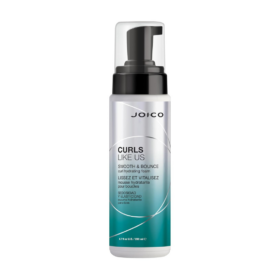
Joico Curls Like Us Smooth & Bounce Curl Hydrating Foam 200ml
$48.00 -
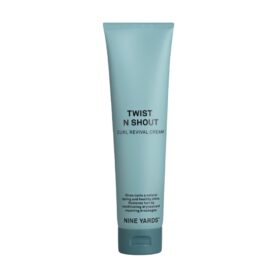
Nine Yards Twist n Shout Curl Revival Cream 150ml
$58.15 -
New!
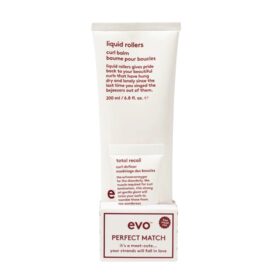
Evo Perfect Match – Liquid Rollers + Total Recoil
$45.00 -
New!
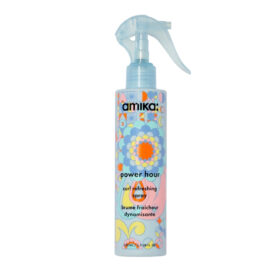
Amika Power Hour Curl Refreshing Spray 200ml
Original price was: $54.95.$43.96Current price is: $43.96.Save 20% -
New!
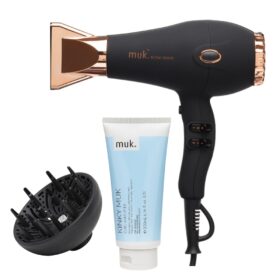
Muk Hair Curl & Diffuse (Blow Hair Dryer) Bundle
Original price was: $427.90.$345.00Current price is: $345.00.Save 19%



Curl Cream & Curly Hair Products NZ
Discover our salon-professional selection of curl creams, gels, and oils – designed to define, hydrate, and hold natural curls. From lightweight curl-defining creams for wavy hair to rich, moisture-packed formulas for tight coils, we stock the best curl creams and curly hair gels from trusted brands like Clever Curl, Eleven, Joico, and more. Banish frizz, lock in definition, and say hello to bouncy, healthy-looking curls – all 100 per cent genuine with fast NZ delivery. …
Your Guide to Curl Cream and Curly Hair Styling
Most people with curly hair already know the basics – moisture and hold. The real challenge is figuring out which products deliver both without weighing your hair down, creating crunch, or falling flat by lunchtime. That’s where the right curl cream makes all the difference, and it’s the question our team gets asked about more than almost anything else.
We’ve tested and stocked curly hair products for many years at Synergy Hair, and we’ve seen firsthand what works across different curl types and NZ conditions. Here’s what we’ve learned.
Curl Cream vs Curl Gel: They Do Different Jobs
These two get confused constantly, but they’re not interchangeable.
Curl cream is a moisturising styler. It softens hair, reduces frizz, and enhances your natural curl pattern without stiffness. A good curl-defining cream gives you shape and separation while keeping hair touchable – no crunch, no coating. Muk Kinky Curl Amplifier 200ml is our best seller in this category, and for good reason: it’s mid-weight, doesn’t build up, and works across Type 2 through Type 3b curls without feeling heavy.
Gel is a hold product. It forms a flexible cast around each curl as it dries, locking in shape and fighting humidity throughout the day. Once your hair is fully dry, you scrunch the cast out, and you’re left with soft, defined curls that actually last. For curly hair gel, Joico’s JoiGel Medium is a reliable all-rounder – enough hold to survive an Auckland humidity spike without turning your hair into a helmet.
Here’s the trick most people miss: layering both gives you the best result. Apply curl cream to soaking-wet hair first for moisture and definition, then seal with gel over the top while hair is still wet. This combination is the foundation of most successful curly hair routines.
How to Apply Curl Cream Properly
Application technique matters just as much as the product. The single biggest mistake we see? Applying to towel-dried hair. You want your hair dripping – not damp, not squeezed out, genuinely soaking wet. The water helps emulsify the cream and distribute it evenly, so you don’t end up with clumps of product in some areas and none in others.
Here’s what works:
- Start with freshly washed, soaking-wet hair – do not towel dry first
- Split hair into 2–4 sections, depending on thickness
- Work curl cream through each section from ends to roots
- Scrunch upward to encourage curl formation
- Layer gel over the top while hair is still wet (if using)
- Diffuse on low heat or air dry – hands off until completely dry
That last point is important. Touching your hair while it’s drying is the fastest way to create frizz, no matter how good your products are.
Curl Cream for Wavy Hair: Less Is More
Wavy hair sits in a tricky middle ground. Products designed for tighter curls tend to be too heavy – they pull waves flat and make them look stringy rather than defined. If you have Type 2 waves, you need a lightweight, water-based curl cream for wavy hair that’s free of heavy butters and oils.
Eleven Australia Keep My Curl Defining Cream is a strong pick here. It’s light enough for waves without disappearing entirely, and it doesn’t leave residue. For wavies who want more lift than a cream provides, a mousse can work well as an alternative – it gives definition and volume without the weight.
The key with wavy hair: start with half the amount you think you need. You can always add more, but over-application is what makes waves go limp.
For Thick, Coily, or Type 4 Hair
Tighter curl patterns need more moisture – full stop. The natural oil your scalp produces travels slowly down the curved hair shaft, so your ends are almost always drier than your roots. Dense, butter-based curl creams and layered routines are your best friend here.
Clever Curl Rich Conditioner, paired with their Curl Cream, gives a solid moisture-and-hold foundation for Type 3c and Type 4 curls. For extra definition on wash day, layer a strong-hold gel on top. Davines More Inside Curl Building Serum is worth a look too – it bridges the gap between cream and gel in a single product, which simplifies routines for those who don’t want to layer.
NZ-Specific: Humidity and Your Curls
New Zealand’s climate is a factor most international curl guides don’t account for. Auckland and the upper North Island regularly sit above 70 per cent humidity in summer, which is enough to blow out even well-set curls by midday. If you’re in a humid area, gel is non-negotiable – cream alone won’t hold against that level of moisture in the air.
In drier regions like Canterbury or Central Otago, you can often get away with curl cream as a standalone product, especially on Type 2 and 3a curls. Adjust your routine seasonally – what works in July won’t necessarily hold up in February.
Why Buy From Synergy Hair?
Every curl cream and curly hair product in our collection is 100 per cent genuine, sourced directly from brand-authorised suppliers. We’ve been New Zealand-owned for over 25 years, and we only stock what we’d actually recommend. No grey market products, no guesswork about authenticity.
Orders over $80 ship free across NZ, with same-day dispatch available on weekdays.
Frequently Asked Questions
How do I know which curl type I have?
The most common system is the Andre Walker scale: Type 2 is wavy, Type 3 is curly, Type 4 is coily. Your curl type shapes which products work best - Type 2 waves need lightweight formulas (heavy creams will pull them flat), while Type 4 coils need dense, butter-rich products to retain moisture. If you're unsure, start with a mid-weight curl cream like Clever Curl and adjust from there based on how your hair responds.
Why does my curl cream leave my hair crunchy?
Almost always one of three causes: too much product, hair wasn't wet enough when you applied it, or the formula is too strong for your texture. Fix it by applying to soaking-wet hair, using less than you think you need, and scrunching out the cast once hair is fully dry. If it's still crunchy after that, switch to a lighter formula.
Can I use curl cream on colour-treated hair?
Yes - and colour-treated curly hair often needs it more, because chemical processing reduces your hair's ability to hold moisture. Stick to curl creams labelled 'colour-safe' and 'sulphate-free'. Joico and Eleven both offer colour-conscious curl formulas that define without stripping colour. If you've had a keratin treatment, check that your products are sodium chloride-free, as salt-based ingredients can break down the treatment more quickly.
How much curl cream should I actually use?
It depends on length, density, and the product itself, but as a rough guide: above-chin hair needs about a two-dollar coin, shoulder-length hair about a one-dollar coin, and long or thick hair may need a full palmful, applied in sections. Start small and build up - if your hair looks greasy or feels heavy once dry, you've used too much.
How do I refresh curls the next day without washing?
Mist your hair lightly with water or a curl refresher until damp - not soaking. Scrunch a small amount of curl cream through the mid-lengths and ends, then scrunch upward to reactivate the pattern. Diffuse briefly or let it air dry. Gathering your hair loosely at the crown overnight (pineappling) helps preserve curl shape between washes and makes refreshing easier.
What's the difference between curl cream and leave-in conditioner?
Leave-in conditioner is a hydration and detangling product - it softens your hair but doesn't hold a style. Curl cream is a styling product that contains film-forming agents to define and hold your curl pattern while also providing moisture. Most curly routines use both: leave-in first to hydrate and detangle, then curl cream to shape and style.
What does the research say about curly hair?
Curly and coily hair fibres have a more elliptical cross-section than straight hair, which causes the cuticle to lift more easily, making textured hair more prone to moisture loss and mechanical damage. Your scalp's natural oil also travels more slowly down a curved shaft, which is why curly hair tends to be drier at the ends. High humidity (above roughly 60 per cent) significantly increases frizz in porous hair, which is why products with anti-humidity properties - particularly gels and sealant-style curl creams - make a measurable difference in hold and frizz control throughout the day.
