


Bond Repair Treatments
Bond Repair Treatments
Heal damaged hair from within with the best bond repair treatments. Shop viral favourites including K18, Olaplex, Redken, Wella, and Epres.
Showing all 35 resultsSorted by popularity
-
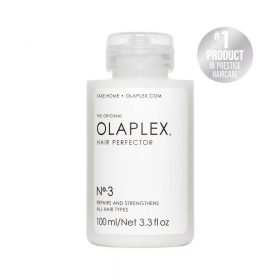
Olaplex No.3 Hair Perfector 100ml
Original price was: $68.00.$49.95Current price is: $49.95.Save 27% -
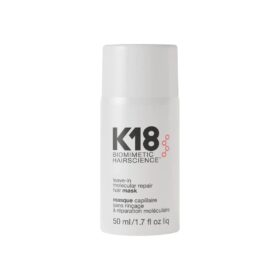
K18 Leave-In Molecular Repair Mask 50ml
$149.00 -
K18 Leave-In Molecular Repair Mask 15ml
$60.00 -
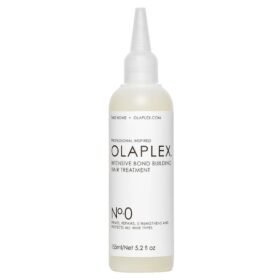
Olaplex No.0 Intensive Bond Building Hair Treatment 155ml
Original price was: $60.00.$49.95Current price is: $49.95.Save 17% -
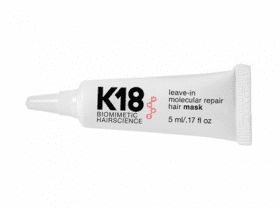
K18 Leave-In Molecular Repair Mask Dose 5ml
$28.00 -
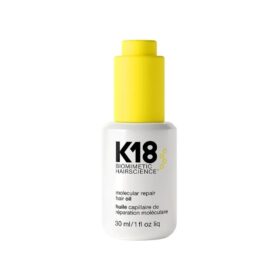
K18 Molecular Repair Oil 30ml
$125.00 -
New!
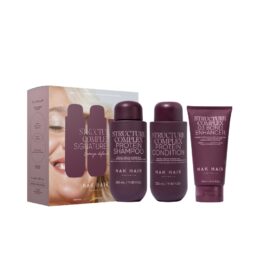
Nak Structure Complex Trio
$79.99 -
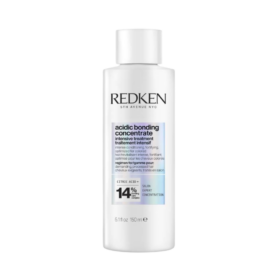
Redken Acidic Bonding Concentrate Intensive Treatment 150ml
$49.99 -
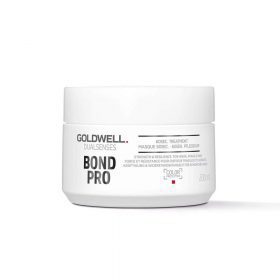
Goldwell Bond Pro 60Sec Treatment 200ml
$34.00 -
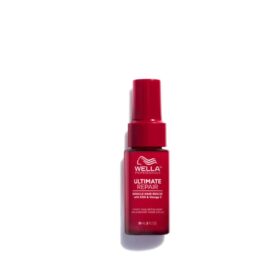
Wella Ultimate Repair Miracle Hair Rescue Treatment 30ml
$62.00 -
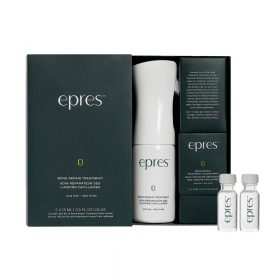
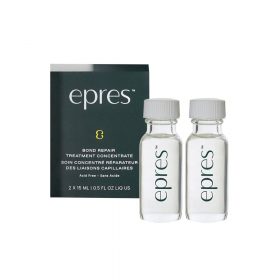
Epres Bond Repair Treatment Kit
$120.00 -
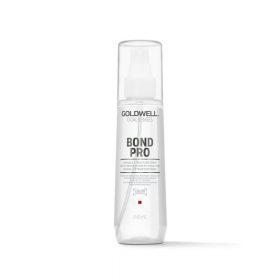
Goldwell Bond Pro Repair & Structure Spray 150ml
$34.00 -
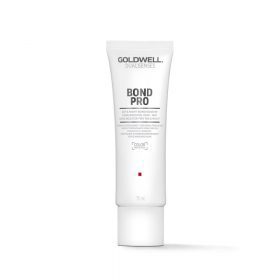
Goldwell Bond Pro Day & Night Bond Booster 75ml
$34.00 -
Epres Bond Repair Treatment Refill
$79.00 -
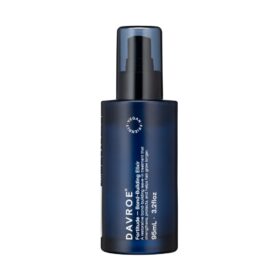
Davroe Fortitude Bond Building Elixir 95ml
$42.95 -
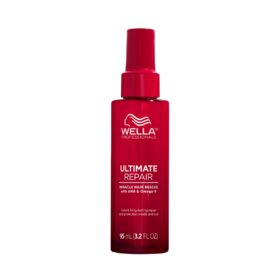
Wella Ultimate Repair Miracle Hair Rescue Treatment 95ml
$168.00 -
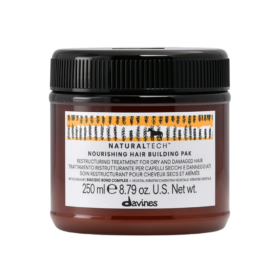
Davines NaturalTech Nourishing Hair Building Pak 250ml
$75.50 -
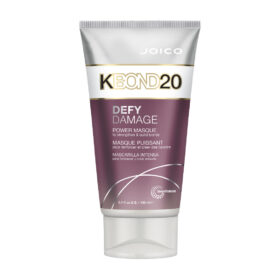
Joico Defy Damage KBond20 Power Masque 150ml
$69.50 -
Davines Heart of Glass Instant Bonding Glow 300ml
$89.90 -
K18 Detox & Repair Bundle (Detox, Mask, Oil)
Original price was: $353.00.$300.05Current price is: $300.05.Save 15% -
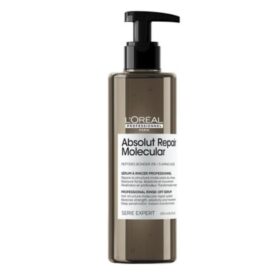
Loreal Absolut Repair Molecular Rinse-off Serum 250ml
$67.99 -
K18 Shield & Shine Bundle (Damage Shampoo, Conditioner, Oil)
Original price was: $283.00.$240.55Current price is: $240.55.Save 15% -
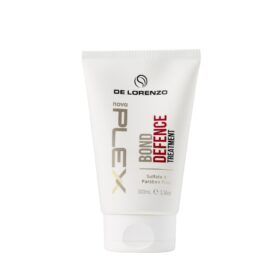
De Lorenzo Bond Defence Treatment 3 100ml
$22.90 -
New!
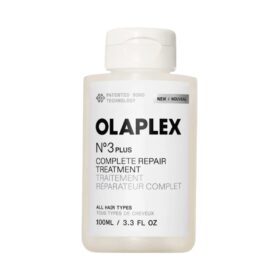
Olaplex No. 3 Plus Ultimate Repair Treatment 100ml
$68.00 -
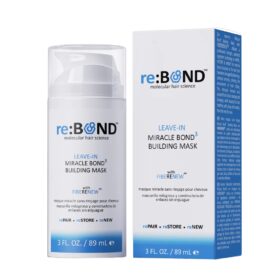
re:BOND Miracle Bond Building Mask 89mL
$85.00 -
Wella Ultimate Repair (Treatment) Bundle
Original price was: $186.00.$158.10Current price is: $158.10.Save 15% -
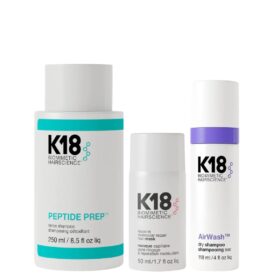
K18 Bestsellers Bundle (Detox, Mask, Dry Shampoo)
Original price was: $343.00.$291.55Current price is: $291.55.Save 15% -
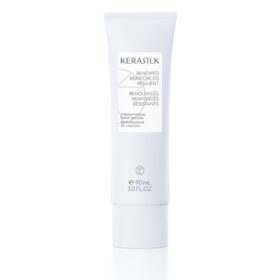
Kerasilk Strengthening Bond Builder 90ml
$57.00 -
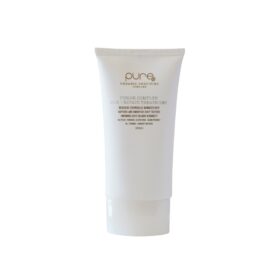
Pure Organic Fusion Complex Bond Repair Treatment 150ml
$42.60 -
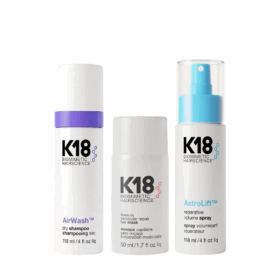
K18 Repair & Style Bundle (Mask, Dry Shampoo, Volume Spray)
Original price was: $379.00.$322.15Current price is: $322.15.Save 15% -
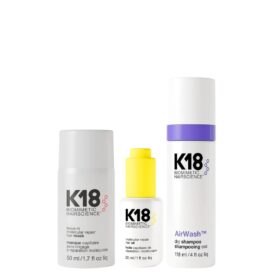
K18 Repair, Refresh & Shine Bundle (Mask, Oil, Dry Shampoo)
Original price was: $389.00.$330.65Current price is: $330.65.Save 15% -
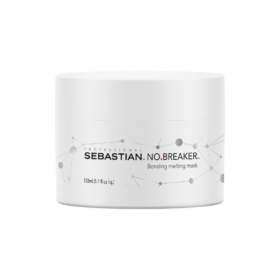
Sebastian No Breaker Bonding Melting Mask 150ml
$57.00 -
Matrix Insta Cure Build-A-Bond Instant Revival Liquid Mask 250ml
$44.00 -
New!
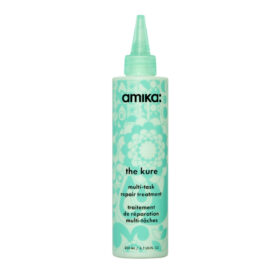
Amika The Kure Multi-Task Strength Repair Treat 200ml
Original price was: $58.95.$47.16Current price is: $47.16.Save 20% -
New!
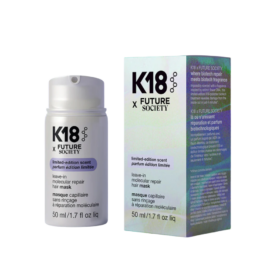
K18 x Future Society Leave-in Molecular Repair Hair Mask 50ml
Original price was: $149.00.$119.00Current price is: $119.00.Save 20%




Bond Repair Hair Treatments NZ
Restore hair from the inside out. Browse our range of bond repair treatments from professional brands including Olaplex, K18, Goldwell, Redken, Wella, and Epres – fast NZ delivery on every order. …
What Bond Repair Actually Does – and Why Conditioner Cannot
Every bleach session, every round of colour, every pass of a straightener at 200 degrees – all of it breaks bonds inside the hair. Not the kind of surface-level roughness that a conditioner smooths over. Disulphide bonds. The structural connections deep inside the cortex that hold the hair’s protein chains together and give the strand its strength, elasticity, and shape. Once those bonds snap, the hair gets weaker. It stretches when wet and does not spring back. It breaks mid-length for no obvious reason. It feels gummy, limp, or straw-like depending on the severity.
Conditioners and masks cannot reach these bonds. They work on the cuticle – the outer layer – smoothing it, coating it, making the surface feel soft. That is useful, but it is not a repair. Bond repair hair products work at the molecular level, within the cortex, actively reconnecting bonds broken by heat and chemicals. The difference shows up in how the hair behaves, not just how it feels. Genuinely repaired hair holds styles longer, resists breakage under tension, and regains the elastic bounce that damaged hair loses.
No single treatment reverses years of damage in one use. But consistent bond repair – once or twice a week over several weeks – produces results that no conditioner, mask, or oil can replicate. The structural improvement is real and measurable.
We stock every major bond repair treatment available in NZ. Here is how each one works and who it suits best.
Olaplex No.3 – The One That Started It All
Olaplex invented the bond repair category. Before No.3 launched, there was no consumer product that could reconnect broken disulphide bonds at home – the technology existed only in salon treatments. Olaplex brought it out of the backwash and into people’s bathrooms, and the category that followed exists because this product proved the concept.
No.3 Hair Perfector uses Olaplex’s patented bis-aminopropyl diglycol dimaleate – a molecule small enough to penetrate the cortex and seek out broken bond sites to reconnect them. It is a pre-shampoo treatment, not a mask. Apply to damp hair, leave for a minimum of ten minutes – longer for severe damage, some people leave it on for an hour or more – and shampoo it out before continuing with the regular routine.
Used once a week, No. 3 rebuilds the structure progressively. The hair gets stronger, more elastic, and more resistant to further damage with each use. For heavily bleached or chemically processed hair, bumping up to two or three applications a week during the first month of a repair routine can noticeably accelerate results. After that initial intensive phase, maintaining what has been rebuilt once a week is sufficient.
Olaplex No.3 works on every hair type – natural, coloured, curly, straight, fine, thick. It is the bond repair treatment we recommend most as a starting point because it has the longest track record and the most consistent results across the widest range of hair conditions.
K18 Leave-In Molecular Repair Mask – Four Minutes, No Rinse
K18 arrived after Olaplex and took a deliberately different approach to the same problem. Where Olaplex is a pre-shampoo treatment that needs to sit for at least ten minutes and then be washed out, K18 is a leave-in applied after shampooing that works in four minutes with no rinsing at all.
The technology is different, too. K18 uses a patented bioactive peptide that mimics the hair’s natural keratin chains, reconnecting broken bonds by essentially filling in the gaps where the original protein structure has been compromised. The peptide is small enough to penetrate the cortex and bind permanently to damaged sites. It does not wash out over time the way a surface treatment would – the repair holds.
For the first four to six washes on damaged hair, K18 recommends using the mask every wash to build a foundation of repair. After that, dropping to every third wash maintains the structural improvement. Avoid conditioner on K18 days, as the mask replaces it. However, once the four minutes have passed, you can apply conditioner through the mid-lengths and ends if your hair needs extra nourishment. Most people will not need it.
The speed and simplicity are what set K18 apart in practice. People who cannot commit to a 30-minute pre-wash treatment every week are far more likely to stick with something that takes four minutes and requires no extra steps. Consistency matters more than any single application, and K18’s format makes consistency easy.
Goldwell Bond Pro 60Sec Treatment – Sixty Seconds in the Shower
Goldwell Bond Pro occupies a practical middle ground in the bond repair space. It is not as intensive as Olaplex or K18 – the contact time is sixty seconds -, but it reinforces weakened bonds effectively and works as a weekly maintenance treatment alongside deeper repair products.
The formula uses Goldwell’s bond-building complex to strengthen the internal structure and visibly reduce breakage. Apply after shampooing, leave for one minute, rinse. That is the whole process. For hair that is moderately damaged or prone to breakage rather than severely compromised, Bond Pro delivers solid results on its own. For hair in worse shape, it works well rotated in alongside a more intensive treatment – Olaplex one week, Bond Pro the next, for example.
The 60-second format also makes it a good entry point for people who are sceptical about bond repair treatments or unsure whether they need one. Low time commitment, low cost per use, and results after a few weeks that demonstrate bond repair is worth incorporating into the routine permanently.
Redken Acidic Bonding Concentrate Intensive Treatment – Bonds and pH Together
Redken’s approach to bond repair addresses something the other treatments do not: pH. Chemical treatments – especially bleaching and permanent colour – shift the hair’s pH significantly toward alkaline. That elevated pH weakens the cuticle, increases porosity, and makes the hair more vulnerable to moisture loss and colour fade. Most bond repair treatments reconnect bonds but leave the pH issue untouched.
The ABC Intensive Treatment repairs bonds and simultaneously restores the hair’s natural acidic pH. Applied after shampooing, left on for five minutes, and rinsed thoroughly. The result is hair that is structurally stronger and also less porous, which means colour holds better and moisture stays where it belongs rather than evaporating through a raised cuticle.
For anyone already using the Redken Acidic Bonding Concentrate shampoo and conditioner, the Intensive Treatment is the logical upgrade – same technology, deeper penetration, used once a week on top of the daily ABC routine. The three products work as a system, with each step reinforcing the others. Bundles are available in our store at a better price than buying them individually.
Wella Ultimate Repair Miracle Hair Rescue – The Heavy Artillery
This is the treatment we reach for when hair is at its worst. Repeatedly bleached, over-processed, so fragile that a brush causes visible breakage. The kind of hair where the client has already written it off and is just waiting until it is long enough to cut the damaged sections off.
Wella Ultimate Repair uses AHA and Omega-9 technology to penetrate deep into the cortex, reconnect broken bonds, and restore elasticity to hair that has essentially lost all of it. Applied after shampooing and left on for at least five minutes, ten or more for severe cases. Unlike most bond repair treatments, it also addresses surface condition alongside internal structure, so the hair looks and feels dramatically different even after the first use. The tactile improvement is immediate.
We use the full Ultimate Repair range in our salons for clients who need intensive restoration before any further chemical work can be done. If the internal structure is too compromised, colour will not hold and further bleaching risks breakage at the scalp. Ultimate Repair gets the hair to a place where the next step is safe.
For at-home use, the Miracle Hair Rescue treatment, paired with the Ultimate Repair shampoo and conditioner, forms the most intensive bond-repair routine we stock. It is not cheap, but for hair that seems beyond saving, it regularly proves otherwise.
Epres Bond Repair Treatment – The Newcomer Worth Knowing About
Epres is a newer entrant in the bond repair space that has quickly built a following. The treatment works as a spray-on formula that can be left in indefinitely – no rinsing required, no time limit, no interference with other products. Apply it to dry or damp hair, leave it, and wash whenever it suits. The longer it sits, the more repair it delivers.
The flexibility makes Epres popular with people who want to treat their hair without restructuring their entire wash routine. Spray it on before bed, wash in the morning. Spray it on before the gym, wash after. The format removes every friction point that stops people from using bond repair consistently.
Available as a treatment kit or a refill in our store.
How to Build a Bond Repair Routine
Pick one treatment as the primary and use it consistently. Once a week is the standard maintenance frequency. For heavily damaged hair, twice a week or more during the first month, then scaling back to weekly. The treatment alone is not the whole routine – pair it with a gentle, sulphate-free shampoo that does not strip the bonds being rebuilt, and a hydrating conditioner or mask to address the surface condition alongside the internal repair.
Between washes: minimise heat. Every unprotected pass of a straightener or curling iron breaks bonds that the treatment just reconnected. A heat protectant is essential if heat styling is part of your regular routine. It is the difference between the repair holding and the repair being undone within days.
Most people feel a genuine difference in hair strength and elasticity within three to four weeks. Severe damage takes longer. The improvement is cumulative – each treatment builds on the last – and the results hold because the bonds being rebuilt are structural, not cosmetic.
Why Buy Bond Repair From Synergy Hair?
Every bond repair treatment in our NZ range is a genuine product sourced through brand-authorised distributors. We have been NZ-owned and operated for over 25 years, and we stock professional haircare products that we would use on our own clients. Our team has hands-on experience with every product listed above – ask us which bond repair suits a specific hair situation, and we will give a straight answer.
Orders over $80 ship free across New Zealand. Same-day dispatch on weekday orders.
Frequently Asked Questions
Can more than one bond repair treatment be used in the same routine?
Yes - but on different days, not in the same wash. Olaplex and K18 use different technologies and complement each other well: Olaplex as a pre-wash treatment one day, K18 as a post-wash leave-in another. Layering two treatments in a single session rarely adds benefit over using one correctly. Pick the treatment that best matches the damage level for regular use and rotate a second one in occasionally for intensive sessions.
Is bond repair the same as a protein treatment?
Different mechanisms, different results. Protein treatments deposit keratin or other proteins onto the hair shaft's surface, temporarily strengthening and smoothing it. Bond repair work inside the cortex reconnects the structural bonds that hold the hair together. Both have a place in a routine, but for severely damaged hair, bond repair should come first to restore internal integrity before layering protein on top. Doing it the other way around is like painting a wall before fixing the plaster.
How can I tell if my hair needs bond repair or just moisture?
The wet stretch test is the simplest check. Take a single wet strand and pull gently. Healthy hair stretches about a third of its length and springs back. Hair that stretches too far and does not return - or feels gummy and limp - has bond damage and needs repair. Hair that snaps immediately with almost no stretch is severely compromised and likely needs both bond repair and moisture. Hair that stretches and bounces back but still feels rough and dry is a moisture problem that a hydrating mask or conditioner will address without needing a bond treatment.
Does bond repair work on natural, unprocessed hair?
It does. Chemical treatments are the most common cause of bond damage, but heat styling, UV exposure, mechanical stress from brushing, and even friction from pillowcases cause bonds to break over time in natural hair, too. The results on unprocessed hair tend to be subtler - the baseline is healthier to begin with - but improved strength, reduced breakage, and better elasticity are achievable with consistent use.
Do bond repair treatments replace conditioner?
It is fine to use conditioner after k18 once the 4 minutes have passed, if your hair requires extra nourishment. but most people are fine without it. Olaplex No.3, Goldwell Bond Pro, Redken ABC Intensive, and Wella Ultimate Repair all work alongside conditioner rather than replacing it. Use the treatment first, then follow with conditioner to smooth the cuticle and detangle.
How long do bond repair results last?
The bonds reconnected by a treatment are genuinely repaired - they do not wash out the way a conditioning treatment does. But the hair remains exposed to the same stressors that broke the bonds in the first place: heat, UV, chemical services, and mechanical tension. So while each treatment delivers lasting structural improvement, ongoing maintenance is needed to keep ahead of new damage. Think of it less as a one-time fix and more like a regular workout - each session builds on the last, and stopping means the gains gradually erode.
